Farm Water Analyses: A Guide to Animal Health and Productivity
Water Quality in Animal Husbandry: Microbiological and Chemical Analyses
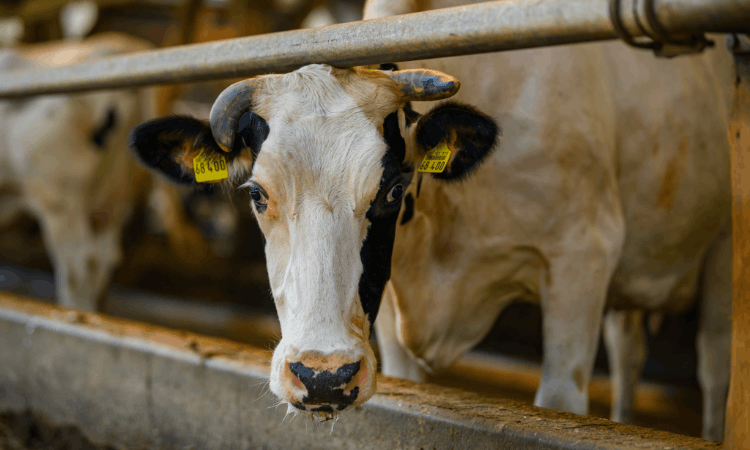
Farm Water Analyses: The Importance of Water Quality for Animal Health and Productivity
Water is the most essential nutrient for farm animals to sustain life. Animals’ growth performance, feed intake, metabolic activities, reproductive performance, and the quality of final products such as milk, meat, and eggs are directly affected by the quality of the water they consume. So, why are farm water analyses so important, and how does water quality affect animal health?
Healthy Water Quality Means a Productive Farm
Water that is unsuitable from a chemical or microbiological standpoint can lead to diseases in animals, significant productivity losses, reduced feed conversion efficiency, and, as a result, major economic losses. For this reason, it is of great importance to analyze the drinking water used on farms at regular intervals and to promptly implement corrective measures when necessary.
What Should Water Quality Be Like in Farm Water?
Ideal water suitable for animal consumption should have the following characteristics:
- Colorless, odorless, and clear
- Free of harmful microorganisms
- Safe in terms of chemical contaminants
- Possessing physical and chemical properties that do not adversely affect animal health
Since water consumption is directly related to feed consumption, particularly in poultry operations, even minor changes in water quality can lead to performance losses. For this reason, it is recommended that samples be taken regularly from critical control points—such as well water, reservoir outlets, distribution lines, and nipple systems—and analyzed in accredited laboratories.
Why Should Farm Water Analyses Be Conducted?
The quality of the water consumed by animals directly affects the following parameters:
- Animal health
- Milk yield
- Meat yield
- Egg production
- Feed conversion ratio
- Reproductive performance
High concentrations of certain chemical compounds in water can lead to serious health problems:
- High sulfate: Can cause diarrhea, copper deficiency, and, in severe cases, neurological problems.
- Nitrate and nitrite: Can have toxic effects, especially in young animals.
- Iron and manganese: Can promote microbial growth by increasing biofilm formation in drinking water systems.
- High hardness: Can lead to scaling in irrigation equipment and reduced water consumption.
For this reason, not only microbiological but also chemical analyses must be conducted regularly.
Analyses Required for Farm Water
Within the scope of Good Agricultural Practices (GAP) criteria for animal production, it is recommended that the following analyses be performed regularly on farm water:
Microbiological Analyses
- Total Coliforms
- Escherichia coli (E. coli)
- Total Viable Bacterial Count
- Chemical Analyses
- pH
- Nitrite and Nitrate
- Iron and Manganese
- Calcium and Hardness
- Conductivity
- Ammonium
- Sulfate
- Chloride
- Total Dissolved Solids (TDS)
The scope of analysis may be expanded depending on the water source used by the facility.
Where Should Samples Be Taken?
On farms, it is not sufficient to take samples only from the water source. To fully evaluate the entire water system, it is recommended that samples be taken from the following critical control points during the same period:
- Well outlet
- Water tank
- Main distribution line
- Nipple system
- Water troughs
This comprehensive approach ensures that potential microbiological contamination or chemical changes within the system are accurately detected.
Nanolab Farm Water Analysis Services
As the Nanolab Laboratories Group, we offer microbiological and chemical analysis services for drinking water used on farms under TÜRKAK accreditation. Our analyses are conducted in accordance with national and international standards, helping businesses meet legal requirements and ensure animal health.
To learn more about farm water analyses or to request a quote, please contact the Nanolab team of experts.
For all your inquiries,
contact us.
For the latest news and updates about our services, you can follow us on
LinkedIn.
To stay updated on our latest blog posts, follow our
Instagram account.