






















BLOG
KATEGORİDEKİ DİĞER YAZILAR
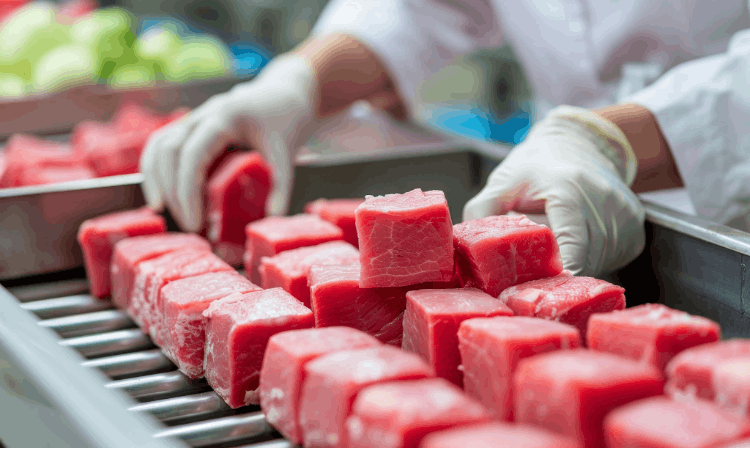
In today’s world, where food safety and quality are paramount, consumers place great importance not only on the nutritional value of products but also on their production processes and ingredients. In particular, the rapid global growth of the halal food market has made it imperative for producers to scientifically demonstrate that their products comply with halal standards. In this context, halal analyses stand out as one of the scientific verification tools that ensure the confidence of both producers and consumers.
Halal food refers to products that are produced, processed, stored, and presented to consumers in accordance with Islamic rules. Today, the concept of halal food is also recognized as an important quality indicator in terms of hygiene, quality, reliability, and traceability.
Consumers expect the label information on the products they purchase to be accurate. Through laboratory analyses, product contents are evaluated using scientific methods, and manufacturers’ transparency policies are strengthened. Reliable analysis results directly contribute to increasing trust in the brand.
When different product groups are processed on the same production lines, unintended contamination may occur. Cross-contamination—particularly involving animal-derived ingredients—is of critical importance for halal compliance. Regular analyses help identify these risks at an early stage.
The halal food market is growing rapidly in the Middle East, Southeast Asia, and African countries. Many importers and government agencies operating in these markets require documentation certifying that products comply with halal standards. Analysis reports serve as technical documentation supporting certification processes, thereby directly contributing to export procedures.
Issues related to product content in the food industry can seriously impact brand value. Through regular analyses, manufacturers can support their quality management systems and identify potential risks at an early stage. This approach positively impacts both consumer satisfaction and corporate reputation.
Halal analyses not only contribute to the assessment of religious compliance but are also considered an important part of quality control processes. Scientific analyses can support quality practices conducted under ISO 22000, HACCP, and other food safety management systems.
Depending on the product’s characteristics and risk profile, different analytical methods can be applied:
Pork DNA analysis: PCR-based molecular analyses are used to detect pork-derived content in products.
Species identification analyses: These are performed to verify animal species in meat and meat products.
Alcohol determination: It determines the presence and quantity of ethanol in beverages, sauces, and flavorings.
Animal and plant content verification studies: Evaluates the compliance of product content with label declarations.
GMO analyses: These are tests designed to detect the presence of genetically modified organisms.
Analyses for the evaluation of additives: Enables the identification of additives that may affect Halal compliance.
The halal certification process is not limited to the issuance of a certificate. Production facility inspections, raw material controls, document reviews, and, when necessary, laboratory analyses are evaluated collectively. Laboratory analyses form the scientific foundation of this process, thereby enhancing the reliability of certification decisions.
As the Nanolab Laboratory Group, we provide halal analysis services for the food industry in accordance with internationally recognized analysis methods and quality standards. With our team of technical experts and advanced laboratory infrastructure, we contribute to supporting quality management processes by providing manufacturers with reliable analysis results and halal reporting.
As the halal food market grows year after year, consumers’ expectations regarding product ingredients are increasing at the same rate. In this context, laboratory analyses have become an indispensable part of our commitment to transparency, reliability, and quality.
Thanks to halal analyses, manufacturers can evaluate their products using scientific methods, strengthen their quality processes, and gain a competitive advantage in national or international markets. Reliable laboratory services are one of the most important supporting elements of this process.
For all your requests, contact us.
For the latest news and updates about our services, follow us on LinkedIn.
To stay updated on our latest blog posts, follow our Instagram account.