From Farm to Lab: Food Safety and Microbiological Analysis
Guide to Microbiological Analysis: 5 Steps to Food Safety
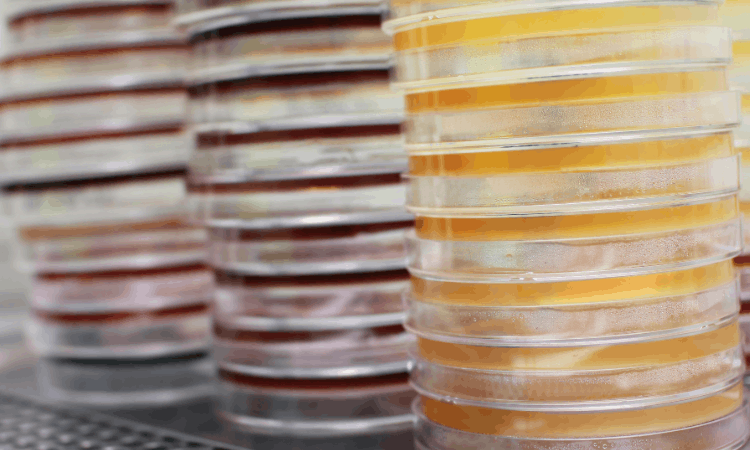
Food Safety from Farm to Lab: A Guide to Standards, Methods, and Microbiological Analysis
In ensuring food safety, microbiological analyses represent the most critical control point in the chain extending from farm to table.
According to data from the World Health Organization (WHO), approximately 600 million people worldwide fall ill each year due to contaminated food, and 420,000 people lose their lives. In Turkey, official records and academic field studies reveal that there are, on average, more than 100 cases of mass food poisoning annually, directly affecting tens of thousands of people.
Particularly in mass catering settings such as schools, prisons, construction sites, and the prepared-meals sector, significant increases have been observed in cases caused by Salmonella, Listeria, E. coli, and Bacillus cereus due to poor hygiene or breaks in the cold chain. The Ministry of Agriculture and Forestry’s
Regulation on Microbiological Criteria of the Turkish Food Codex clearly demonstrate the need for strict monitoring of biological hazards posing a risk in our country. A reliable analysis result depends not only on advanced equipment but also on flawless standardization throughout the entire process—from sample collection in the field or at the factory to the reporting stage in the laboratory.
Microbiological Analysis Process: 5 Basic Steps
The microbiological analysis process consists of five sequential basic steps. Any error in this cycle can result in a false-negative or false-positive result.
1. Sample Submission: What Manufacturers Need to Consider
The first step toward an accurate analysis begins at the factory. Companies sending samples to the laboratory must strictly adhere to the following rules:
- Representativeness: The sample must be taken randomly and in sufficient quantity (at least 200–500 g/mL) to represent the entire batch.
- Sterile Sampling: The original packaging must not be opened; for bulk products, sterile sample bags or containers must be used.
- Cold Chain Management: Refrigerated foods must be transported at temperatures between +2°C and +4°C, while frozen products must be transported with dry ice at temperatures below -18°C. Dried or canned foods may be shipped at room temperature (20–25°C).
- Proper Labeling: The company name, product name, lot number, and dates of production and sampling must be clearly indicated on the sample container.
2. Laboratory Sample Receipt and Contamination-Free Pre-Preparation
Samples arriving at the laboratory are inspected for cold chain breaches, packaging damage, and label compliance. Samples found to be compliant are barcoded and moved to the preparation stage.
Aseptic Pre-Preparation Steps:
- Outer Packaging Disinfection: The outer surface of the sample containers is wiped with 70% isopropyl alcohol or ethanol before being taken into the inoculation room.
- Weighing and Dilution (ISO 6887): A 25-gram sample is weighed from solid foods under aseptic conditions. Add 225 mL of sterile Peptone Water (BPW) to prepare the first dilution at a 1:10 ratio.
- Homogenization: The mixture is mechanically disrupted in a Stomacher device for 1–2 minutes to transfer microorganisms adhering to the food matrix into the liquid phase.
3. Inoculation Room and Types of Analysis
The homogenized samples are transferred to the inoculation room, which is equipped with Class II Biosafety Cabinets. In these positive-pressure areas, equipped with HEPA filters and UV sterilization systems, personnel wear full sterile protective gear.
A. Indicator Bacteria AnalysesThese are quantitative analyses performed to determine the overall hygiene quality of the food and
shelf life:
- Total Aerobic Mesophilic Bacteria (TAMB): A key indicator of the product’s overall microbial load.
- Coliform Bacteria and E. coli: Indicates poor hygiene and potential fecal contamination.
- Yeast and Mold Count: Critical for monitoring spoilage agents in dry, acidic, or fermented foods.
B. Pathogenic Bacteria Analyses This process involves screening for microorganisms that directly threaten public health:
- Salmonella spp.: A dangerous pathogen for which a zero-tolerance policy applies—it must not be present at all in a 25-gram food sample.
- Listeria monocytogenes: Poses a high risk, particularly in ready-to-eat meals and foods stored at cold temperatures.
- Staphylococcus aureus: A foodborne pathogen that causes rapid food poisoning through the enterotoxins it produces.
4. Incubation and Microbial GrowthPetri dishes containing the inoculum are placed in incubators set to the optimal growth temperature for the target microorganism. Analysis times are based on the completion of microbial growth phases.
5. Evaluation and ReportingAt the end of incubation, colonies are counted using a colony counter:
- Calculation: Petri dishes containing 30–300 colonies are considered; results are calculated in CFU/g or CFU/ml.
- Verification: In pathogen analyses, biochemical, serological, or PCR-based molecular verification tests are applied to suspicious colonies.
- Reporting: Results are compared against Turkish Food Codex limits and, upon approval under TS EN ISO/IEC 17025 accreditation, are presented to the company in the form of an analysis certificate.
Quality Builds Trust
There is no room for chance or guesswork in microbiological analyses; behind every milliliter and every colony lies human health and brand reputation. As the Nanolab Laboratories Group, we meticulously monitor every step of your production processes with our state-of-the-art technological infrastructure, international accreditations, and expert academic staff. The uncompromising standards we apply throughout this scientific chain—from proper sampling to flawless reporting—reinforce trust in your brand and products.
The sole key to sustainable success in the global market and in the eyes of consumers is unwavering standards, and “Quality Builds Trust.”
For all your requests, contact us. For the latest news and updates about our services, follow us on LinkedIn. To stay updated on our latest blog posts, follow our
Instagram account.