Summer Spraying in Agriculture and Pesticide Residue Analyses
Pesticide Residues in Fruit and Vegetables: Analytical Methods and Recommendations for Consumers
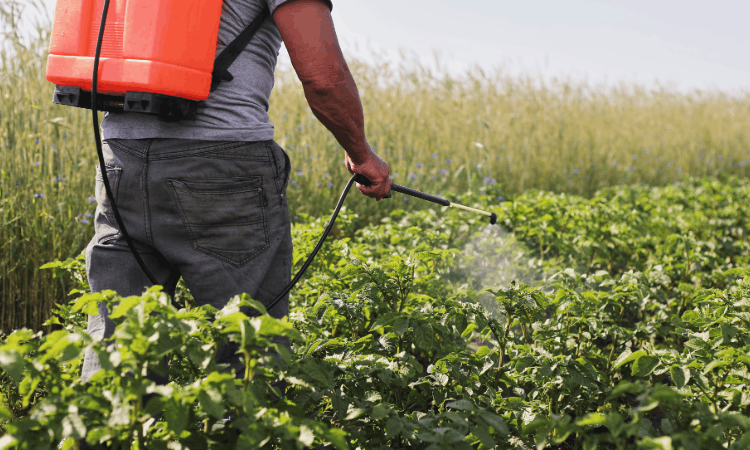
The Importance of Spraying and Pesticide Analysis in Agriculture During the Summer Months
Rising temperatures and humidity during the summer months significantly accelerate the proliferation of agricultural pests and plant diseases. During this period, growers are often forced to resort to pesticide use more frequently in order to maintain crop yield and quality. However, the indiscriminate and uncontrolled use of agricultural pesticides—or failure to observe the pre-harvest waiting period—can lead to pesticide residues in fruits and vegetables exceeding legal limits.
Why Are Pesticide Analyses Important?
Pesticide analyses play a critical role in ensuring food safety. Thanks to advanced laboratory methods,
pesticide residues in food are detected with high precision, and products are evaluated for compliance with legal limits. These analyses not only protect consumer health but also directly help producers meet quality standards and supply reliable products for export.
Methods Used in Pesticide Analysis
In food laboratories, advanced chromatographic techniques such as LC-MS/MS and GC-MS/MS are used for pesticide residue analysis. These methods make it possible to detect residues even at very low concentrations. Conducting these analyses in laboratories accredited according to the ISO/IEC 17025 standard ensures the reliability and international validity of the results.
Practical Recommendations for Consumers
Given that the consumption of fresh fruits and vegetables increases significantly during the summer months, pesticide analyses are of great importance for protecting public health and ensuring the sustainability of safe food production. Consumers can also significantly reduce dust, dirt, and many pesticide residues on the surface by carefully washing fruits and vegetables under running water before consumption. Washing leafy vegetables individually and brushing hard-skinned fruits and vegetables are simple yet effective practices that enhance cleaning efficiency.
When proper agricultural practices, regular laboratory testing, and informed consumer habits come together, the safety of the food reaching our tables is significantly ensured.
For all your requests, contact us. For the latest news and updates about our services, you can follow us on LinkedIn. To stay updated on our latest blog posts, follow our
Instagram account.