



















BLOG
KATEGORİDEKİ DİĞER YAZILAR
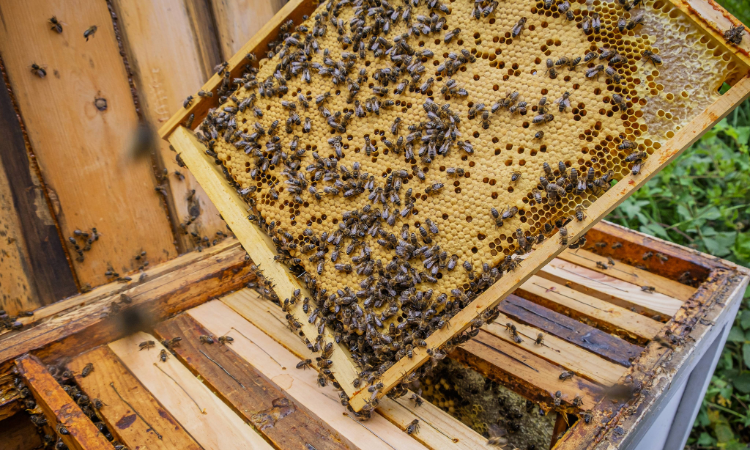
Interest in healthy and natural eating is on the rise, and bee products are attracting the most attention in this context. Of course, honey tops the list of bee products. Economic conditions, the conditions under which honey is produced, and many other factors are causing a crisis of counterfeit honey in the market. Preventing honey counterfeiting is crucial both for consumer health and the sustainability of the beekeeping sector. For consumers, the biggest problem is not being able to be certain of the purity of the honey they buy from store shelves.
Honeybees collect plant nectars, secretions from the living parts of plants, or secretions from plant-feeding insects living on the living parts of plants. They then combine these with their own unique substances to transform them. This results in a product with reduced water content, matured through storage in the honeycomb, and capable of crystallizing naturally.
Honey varieties vary depending on which plant’s nectar is collected and which insect’s secretion is used. Broadly speaking, honey is divided into two categories: Flower Honey and Secretion Honey.
As a naturally obtained food with high nutritional value, demand for honey and profit margins have been increasing in recent years, and as a result, we are encountering cases of counterfeiting. Listing these reasons:
Through the Honey Analysis service provided by accredited laboratories authorized to conduct such analyses, you can have the product’s quality, purity, and compliance with regulations assessed. Listing the commonly performed tests:
If high levels of naphthalene are detected in the honey as a result of these tests, it can be concluded that naphthalene was used as a moth repellent in the storage area and that the honey has been contaminated with this substance. This indicates that the honey is not suitable for consumption.
Similarly, if the detection of veterinary drug residues reveals high levels of antibiotic residues in the honey, this means the honey has been contaminated by products derived from animals.
Thanks to these tests and analyses, consumers can easily access healthy and natural honey, while beekeepers can better market their products by certifying the quality of the honey they produce.
As Nanolab Laboratories Group, we are the trusted source for honey analysis. We offer a wide range of analyses, including up to 58 different antibiotic substances, to determine the natural composition, quality, and purity of honey. Our accreditations ensure the reliability of our results. We collaborate with expert partners in the industry, particularly for specialized analyses like Delta C13 determination, to provide you with the most accurate results. You can choose us to certify your honey’s quality and build consumer trust.
For more information, contact us.
Follow us on LinkedIn for the latest news and updates about our services.
Follow our Instagram account to stay updated on our latest blog posts.