






















BLOG
KATEGORİDEKİ DİĞER YAZILAR
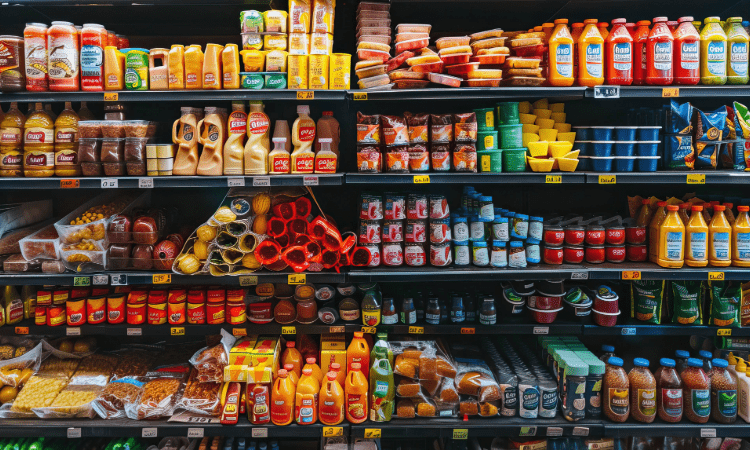
The intentional alteration or mislabeling of food products to deceive consumers and gain financial profit is one of the biggest problems in our country. This situation, which we define as food fraud, not only affects consumer health but also hits their wallets. Another negative aspect is the erosion of trust in the food industry. The focus of this article is fraud, which can take various forms, such as altering the product’s contents (for example, using soy flour instead of meat), falsely stating the product’s origin, or exaggerating the product’s quality.
Food fraud, which is particularly prevalent in products with high consumer demand and high profit margins, is a situation monitored by the Ministry and sought to be controlled through relevant standards and legal regulations.
We frequently encounter situations where the composition of staple foods like meat and dairy products is altered, or low-quality products are sold at higher prices. Examples such as the addition of harmful colorants to spices, the mixing of honey with sugar syrup, and the blending of olive oil with other seed oils also demonstrate how widespread this issue is. Other deceptive practices include reducing milk fat in ice cream and replacing it with vegetable oils, using colorants instead of tomatoes in sauces, lowering the cocoa content in chocolate, and opting for cheap alternatives like soy instead of meat in ready-to-eat meals.
To prevent such fraud, it is crucial for consumers to be informed, read product labels carefully, and shop from reliable sources. Both consumers and businesses can take various measures to protect against food fraud. Consumers can protect themselves by choosing reputable brands, carefully reading product labels, shopping at reliable retail locations, checking food safety certifications, and reporting suspicious cases to authorities.
Businesses, on the other hand, can combat food fraud by establishing a robust supply chain, implementing food safety systems, regularly testing their products, training their employees, and staying up-to-date with regulations. Since food fraud poses a serious threat to both consumer health and the reliability of the food industry, it is of great importance for everyone to be aware of this issue and take the necessary precautions.
Various analytical methods are used to detect food fraud. The most commonly used methods include:
The choice of analysis depends on the type of food being tested and the suspected type of adulteration. For example, a different analytical method is used to determine whether there is olive oil adulteration than the one used to determine whether there is adulteration in meat products.
Through these analyses, detailed information is obtained regarding the true content, origin, and quality of foods, and it is determined whether adulteration is present.
In our laboratory, we offer a comprehensive range of analyses to shed light on all aspects of food adulteration. Equipped with advanced technologies such as PCR, LC/MS/MS, and HPLC, our laboratory examines every detail of food products, from their genetic structure to their chemical components. By meticulously analyzing the purity of olive oil, the natural composition of honey, the true origin of meat products, and numerous other food parameters, we contribute to ensuring consumers have access to reliable and healthy products.
To prove the quality and reliability of your products, enhance consumer satisfaction, and make a difference in the industry, our laboratory’s expert team and state-of-the-art equipment are at your service.
For more information, contact us.
To stay updated on the latest news and posts about our services, follow us on LinkedIn.
To stay informed about our latest blog posts, follow our Instagram account.