






















BLOG
KATEGORİDEKİ DİĞER YAZILAR
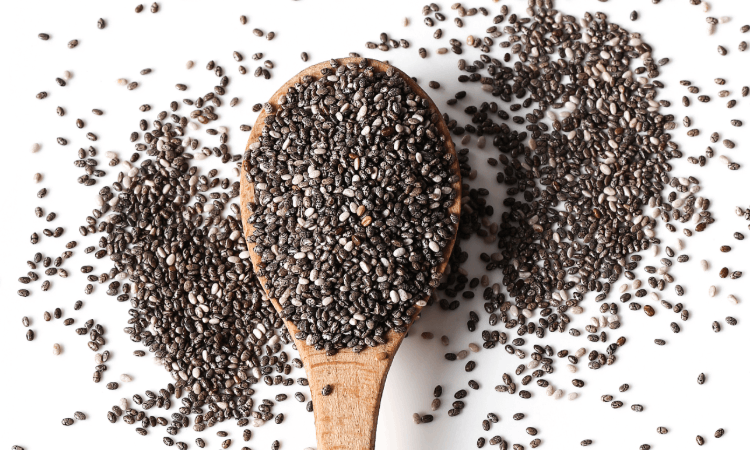
With the growing awareness of healthy eating in recent years, pseudo-grains—also known as fake grains—have carved out a solid place for themselves in the world of nutrition. Products such as quinoa, buckwheat, amaranth, and chia are attracting the attention of both consumers and the food industry thanks to their high nutritional value, functional properties, and natural gluten-free nature. So, what are pseudo grains, and why have they become so popular?
From a botanical classification perspective, pseudo-grains belong to different families than traditional grains such as wheat, barley, and corn. However, because their uses and nutritional profiles closely resemble those of grains, they are referred to as “pseudo-grains.” One of their most notable advantages is that they do not contain gluten. Thanks to this characteristic, they serve as a valuable alternative for people with celiac disease and those with gluten sensitivity.
Pseudo-grains have a profile that is quite rich in protein, dietary fiber, vitamins, and minerals. Quinoa and amaranth stand out for their high-quality protein content, while buckwheat is notable for its powerful antioxidant compounds. Chia seeds, meanwhile, play an important role in healthy eating routines due to their high fiber and omega-3 fatty acid content.
Thanks to their high fiber content, they contribute to the regular functioning of the digestive system and support weight management by increasing feelings of fullness. With their antioxidant properties, they protect the body against the harmful effects of free radicals. Scientific studies have shown that regular consumption of pseudo-grains may have positive effects on cardiovascular health, cholesterol balance, and blood sugar control.
Today, pseudo-grains are widely used in the production of bread, pasta, biscuits, cookies, breakfast cereals, and various snacks. Particularly with the rapid growth of the gluten-free product market, quinoa, buckwheat, and amaranth flours have played a key role in the development of high-nutritional-value alternative products.
Thanks to their high nutritional value, proven positive health effects, and potential for sustainable production, pseudo-grains are considered among the strategic food sources of the future. Quinoa, buckwheat, amaranth, and chia—whose consumption is steadily increasing today—are viewed not merely as a passing dietary trend, but as a permanent part of a healthier and more sustainable lifestyle.
For all your inquiries, please contact us.
You can follow us on LinkedIn for the latest news and updates about our services.
Follow our Instagram account to stay updated on our latest blog posts.