What Are Nutritional Value Analyses? A Guide to Food Safety and Labeling
Compliance and Legal Support
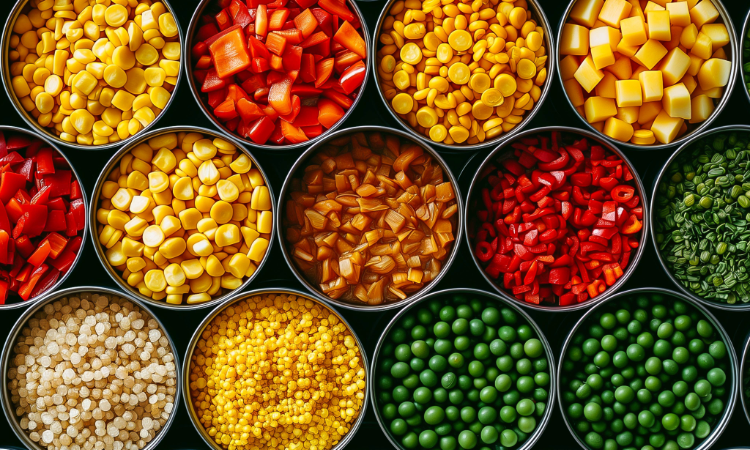
What Are Nutritional Value Analyses? Their Importance for Food Safety and Accurate Labeling
The quality, safety, and nutritional value of food products play a critical role in consumer health and producer reliability. In this context, nutritional analysis ensures that a product’s essential components—such as protein, fat, carbohydrates, vitamins, and minerals—are determined using scientific methods.
Today, with the rise of accurate labeling, legal compliance, and increased consumer awareness, nutritional analysis has become an indispensable part of the food industry.
What Does Nutritional Analysis Encompass?
When determining a food product’s nutritional profile, the following parameters are examined in detail:
- Protein determination
- Fat analysis
- Carbohydrate, sugar, and starch determination
- Dietary fiber analysis
- Salt (sodium) content
- Vitamin and mineral content
These analyses ensure both the nutritional value of the products and the accuracy of their labels.
Protein Analysis: The Building Block of the Body
Proteins are vital for cell regeneration, muscle development, and the immune system. Consuming sufficient amounts of these complex structures, composed of amino acids, is essential for a healthy life.
Through nutritional analyses:
- The product’s protein content is determined
- Quality and bioavailability are assessed
- Label claims are verified
Fat Analysis: Energy and Health Balance
Fats play important roles in the body, such as energy storage and maintaining cell structure. However, the type of fat directly affects health.
Main types of fats:
- Saturated fats
- Unsaturated fats (omega-3, omega-6)
- Trans fats
Analyses play a critical role, particularly in controlling harmful fats and determining the product’s suitability from a health perspective.
Carbohydrate, Sugar, and Starch Analysis
Carbohydrates are the body’s primary energy source. However, not all types of carbohydrates have the same effect.
- Simple sugars: Provide quick energy
- Starch: A longer-lasting energy source
- Complex carbohydrates: Balance blood sugar
Through these analyses, the product’s:
- Energy value
- Glycemic impact
- Suitability for consumer health
are evaluated.
Dietary Fiber: A Support for the Digestive System
Dietary fibers are crucial for digestive health and intestinal function. In particular:
- Regulates bowel movements
- Promotes a feeling of fullness; helps balance cholesterol and blood sugar
Fiber analysis is a key parameter in the development of functional foods.
Sodium Analysis: Managing Health Risks
Although sodium is an essential mineral for the body, excessive consumption can lead to serious health issues:
- High blood pressure
- Heart and vascular diseases
- Kidney problems
Therefore, accurately determining the sodium content listed on food labels is of great importance.
Vitamin and Mineral Analyses
Vitamins and minerals are micronutrients essential for the body’s proper functioning.
- Supports the immune system
- Plays a role in energy production
- Maintains bone and muscle health
Since deficiencies or excesses can have serious health implications, the results of these analyses are of great importance.
Why Are Nutritional Value Analyses Important?
Nutritional analyses are not merely a laboratory process; they also:
- Ensure food safety
- Accurate and transparent labeling
- Compliance with legal regulations
- Enhancing consumer confidence
- Supporting R&D and product development processes
Demonstrate Your Product’s Value Through Scientific Analysis
Thanks to analyses conducted in accredited laboratories:
- Your products become compliant with national and international standards
- You gain a competitive advantage in the market
- You provide transparent information that instills consumer confidence
Analyses performed with modern equipment and expert teams provide fast and reliable results.
Why NANOLAB
1. Accreditation and Competence
- ISO 17025 Accreditation: Accredited laboratories with international recognition provide accurate and reliable results.
- Ministry-Approved and Authorized Laboratory: Being approved by official authorities enhances the laboratory’s reliability.
- Experienced and Expert Staff: A team of chemists, food engineers, and microbiologists ensures the accuracy of analyses.
Reliable and Fast Results
Precision Instruments and Modern Technology: Analyses conducted using state-of-the-art equipment such as LC-MS/MS, GC-MS, and ICP-MS.
Fast Reporting: Laboratories that streamline business processes provide a significant advantage for customers.
Online Result Tracking: Easy access to analysis results via digital platforms.
Customer-Centric Service
- Customized Analysis Solutions: Ability to offer customized test packages tailored to the customer’s needs.
- Consulting Services: Expert support regarding legal regulations, labeling information, and food safety.
- Competitive Pricing: Offering competitive prices while maintaining quality.
Regulatory Compliance and Legal Support
- Compliance with the Turkish Food Codex and EU Standards: Ensures products are valid in both local and international markets.
- Coordination with Government Agencies: Ability to work in coordination with the Ministry of Agriculture and Forestry, TSE, and other official institutions.
For all your inquiries,
contact us.
For the latest news and updates about our services, follow us on LinkedIn. To stay updated on our latest blog posts, follow our Instagram account.