
BLOG
KATEGORİDEKİ DİĞER YAZILAR
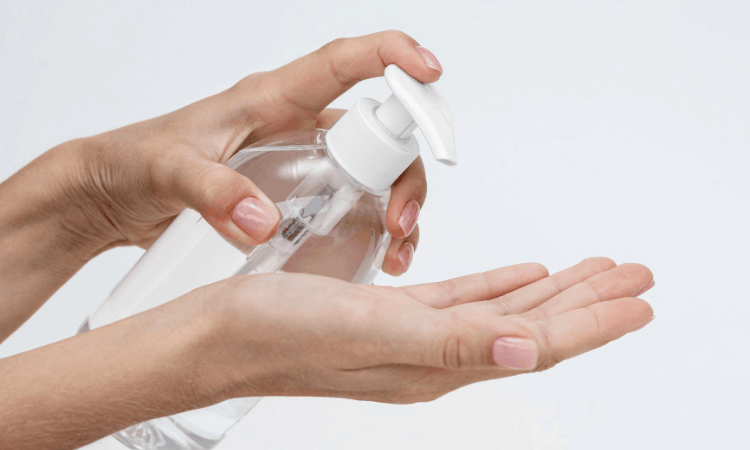
Sodium hypochlorite (NaOCl) is a chemical compound commonly known as bleach, which has a wide range of applications due to its strong oxidizing properties. Found in many areas—from general-purpose disinfection to food processing facilities, and from hospital hygiene to personal care products—sodium hypochlorite requires strict quality control within the scope of biocidal products, chemical disinfectants, and antiseptics.
So, why is the determination of sodium hypochlorite important, what methods are used, and what are the legal regulations?
Sodium hypochlorite is a chemical compound derived from chlorine and sodium hydroxide that possesses strong oxidizing and antimicrobial properties. Its formula is NaOCl, and it is used in aqueous solution.
Main areas of use:
Biocidal products are formulations containing active ingredients used to control harmful organisms. Sodium hypochlorite is classified within biocidal products specifically in the disinfectant category.
In Turkey, biocidal products are licensed by the Ministry of Health under the Biocidal Products Regulation. During this process, the product’s:
and other such parameters must be scientifically validated. Sodium hypochlorite determination is one of the most fundamental components of this validation process.
The disinfection efficacy of sodium hypochlorite is directly related to the amount of active chlorine it contains. Products with low active chlorine concentrations cannot demonstrate the expected antimicrobial effect and are insufficient for disinfection processes.
2. Compliance with Regulatory RequirementsFor biocidal products to be licensed and remain on the market, the declared amount of active ingredient must fall within the specified tolerance limits. Sodium hypochlorite analysis ensures that this compliance is documented.
3. Product Stability and Shelf-Life AssessmentSodium hypochlorite degrades over time and under improper storage conditions (temperature, light, contact with organic matter). Regular analyses confirm that the product maintains its effectiveness throughout its shelf life.
4. Consumer and User SafetyAccurate determination of the active chlorine content prevents both the risk of inadequate disinfection and the risks of irritation and toxicity that may result from excessive concentration.
5. Production Process ControlConsistency in the active chlorine content of each batch during production is a fundamental requirement of quality management systems.
Antiseptic products are preparations used on living tissue to kill microorganisms or inhibit their growth. Antiseptics containing sodium hypochlorite are used specifically for wound cleansing and skin disinfection.
The determination of sodium hypochlorite in antiseptics is of critical importance in terms of both efficacy and safety. Products outside the legally permitted concentration range may pose a risk to user health.
Disinfectants used in public areas such as schools, hospitals, shopping centers, public transportation, and workplaces play a significant role in protecting public health. Sodium hypochlorite testing in these products should be conducted regularly to ensure:
In products used for household cleaning and personal hygiene, the sodium hypochlorite concentration must remain within specific limits for both efficacy and safety. Excessive concentration can cause skin and respiratory tract irritation.
In Turkey, biocidal products and disinfectants are regulated under:
are regulated under these frameworks. The permitted active ingredient concentration ranges and tolerances for each product type are specified in the legislation.
As the Nanolab Laboratories Group, we offer sodium hypochlorite determination services for biocidal products, chemical disinfectants, and antiseptics. Using internationally recognized methods and our accredited infrastructure, we provide support for biocidal product authorization.
To verify the sodium hypochlorite content of your biocidal product and assess its compliance with regulations, contact us.
For the latest news and updates about our services, you can follow us on LinkedIn.
To stay updated on our latest blog posts, follow our Instagram account.