
BLOG
KATEGORİDEKİ DİĞER YAZILAR
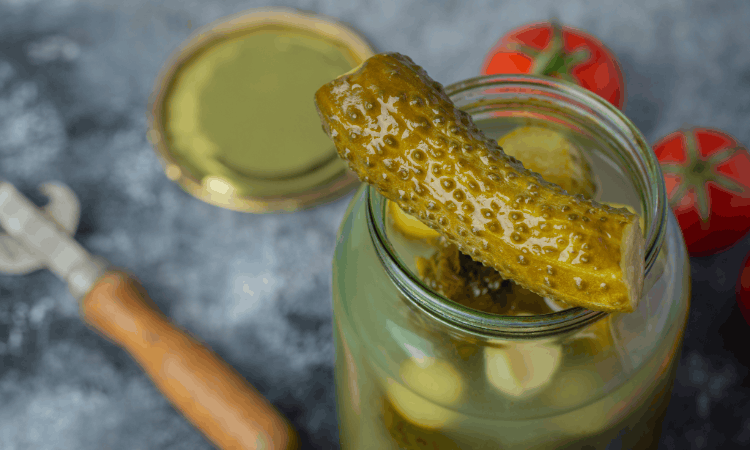
According to the Ministry of Agriculture and Forestry’s agricultural calendar, while the harvest of various fruits and vegetables continues in September, preparations for the production of winter vegetables also gain momentum.
During this period, the following products in particular stand out on our tables:
Harvest periods may vary depending on the region, variety, and weather conditions.
Produce harvested in season may offer advantages in terms of freshness, sensory qualities, and consumption quality. However, being fresh and natural does not automatically mean a food is safe.
Especially in fresh fruits and vegetables, pesticide residues, microbiological risks, heavy metals, and other contaminants are key issues that must be monitored for food safety.
For this reason, the selection of the right suppliers and regular food testing play a crucial role for producers, suppliers, hotels, and mass-catering establishments in ensuring that seasonal products reach consumers safely.
September marks not only the change of seasons but also the start of winter food preparations. Selecting vegetables and fruits, storing them under appropriate conditions, and adhering to hygiene rules help preserve product quality.
Consuming foods in season, storing them properly, and conducting analyses when necessary are fundamental steps toward accessing high-quality and reliable food.
An analysis plan should be developed based on the product type, production process, and relevant regulations. The following analyses can be evaluated during laboratory testing.
Not all analyses are required for every product. The scope of analysis should be determined based on the product’s composition, formulation, production method, and risk assessment.
Microbiological controls in canned and pickled products play a significant role in assessing product safety. Depending on the product and risk assessment, the following analyses may be considered:
In low-acid canned foods in particular, the risk posed by spore-forming microorganisms and Clostridium botulinum must be addressed separately as part of the design and validation of the production process.
The key point here is that microbiological analyses alone do not guarantee safe production. Especially in heat-treated canned foods, process control, heat treatment validation, hygiene practices, and package integrity must be evaluated together.
In canned food and pickle production, analyses should be conducted not only to inspect the final product but also to monitor the effectiveness of the production process. Through regular analyses:
For this reason, it is important for manufacturers to establish an analysis plan and control program on a product-by-product basis.
Achieving a safe and high-quality product in canned food and pickle production depends not only on a single analysis result but also on the controlled management of all stages of production.
Raw material control, hygiene, pH, salt, and acidity monitoring, fermentation or thermal processing conditions, packaging integrity, microbiological controls, and storage conditions must be evaluated as a whole.
For the safety and quality control of your products, it is crucial to develop an analysis plan tailored to your product characteristics and production process, select the appropriate analytical methods, and evaluate the results in accordance with regulatory criteria.
You can contact our laboratory to obtain detailed information about the analyses you need for your canned and pickled products and to develop an analysis plan tailored to your product.
For all your requests, contact us.
For the latest news and updates about our services, you can follow us on LinkedIn.
To stay updated on our latest blog posts, follow our Instagram account.