
BLOG
KATEGORİDEKİ DİĞER YAZILAR
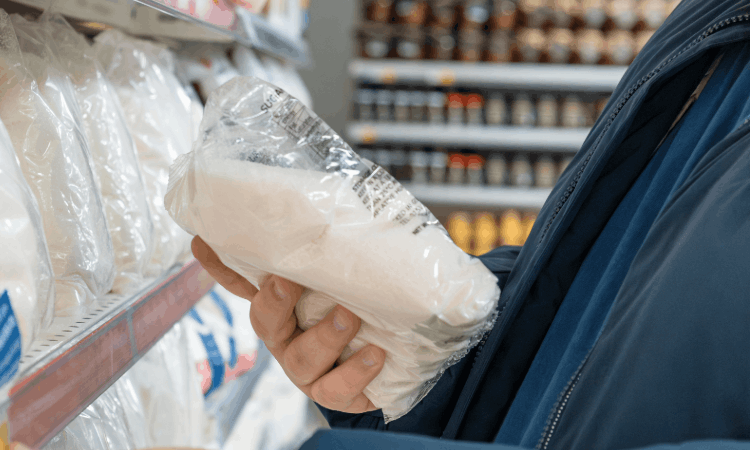
A food product’s label is one of the most important communication tools that provides consumers with information about the product’s ingredients, nutritional values, and characteristics. Statements on the label such as “high protein”, “source of fiber”, “sugar-free”, “gluten-free”, “contains vitamin C”, or claims indicating the amount of a specific nutrient can directly influence a consumer’s product choice.
For this reason, it is of great importance that the claims on the label are consistent with the product’s actual characteristics and the relevant legal regulations.
So, how is it verified whether a claim on a product’s label accurately reflects reality? At this point, laboratory analyses serve as a crucial verification tool, helping to establish specific product characteristics through objective and measurable data.
The evaluation of label claims included in or planned for a food product is not limited to simply obtaining the analysis results. The product’s characteristics, the claims used, and the relevant regulatory criteria must be considered together.
Generally, the process consists of the following steps:
1. Product and Label Information Is ReviewedIn the first stage, the following information about the product is evaluated:
This information helps determine which claims and parameters need to be verified.
The meaning of the statement used on the label is determined. For example, the claim may refer to:
or it may relate to a specific component of the product. Correctly determining the nature of the claim is important for establishing the appropriate analytical approach.
For a claim to be used, it may not be sufficient for the product to simply contain a specific ingredient. Depending on the type of claim, the conditions specified in the regulations may need to be met. Therefore, it is important to evaluate the intended claim within the framework of the relevant regulatory provisions and to determine the necessary criteria.
Significant changes have been made to food labeling regulations in recent years, and the relevant implementation guidelines have been updated.
According to a statement issued by the Ministry of Agriculture and Forestry in 2026, foods without labels compliant with the changes introduced by the Food Labeling and Consumer Information Regulation and the accompanying Guidelines will no longer be permitted on the market after December 31, 2026.
For this reason, it is important for companies not only to update their packaging designs but also to evaluate the claims, nutrition facts, and other label information used on their products in light of current regulations.
The label is one of the most important sources of information between the consumer and the product. Therefore, ensuring that the information on the label aligns with the product’s actual characteristics is crucial for providing accurate consumer information.
Laboratory analyses help determine the product’s protein, fat, sugar, fiber, vitamin, mineral, and similar characteristics analytically and, when necessary, evaluate specific content claims.
As the Nanolab Laboratories Group, we offer laboratory services to identify appropriate analyses based on the characteristics of food products and the label claims to be verified, to conduct these analyses, and to evaluate the results in accordance with relevant criteria.
To find out which analyses are required for a label claim you plan to use on your product and to create an analysis plan tailored to your product, you can contact Nanolab.
For all your inquiries, contact us.
For the latest news and updates about our services, you can follow us on LinkedIn.
To stay updated on our latest blog posts, follow our Instagram account.