
BLOG
KATEGORİDEKİ DİĞER YAZILAR
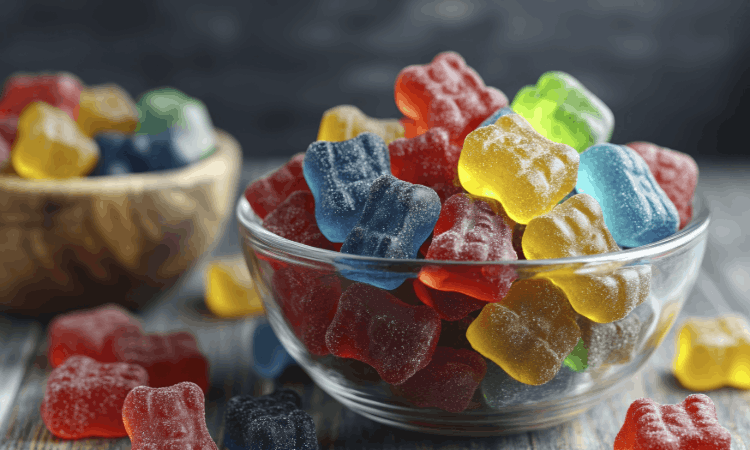
The color of food is one of the most important characteristics influencing a consumer’s purchasing decision. However, a bright and appealing appearance does not always mean it violates regulations. In Turkey, the colorants permitted for use in foods are specified under the Turkish Food Codex Regulation on Food Additives.
The main colorants permitted for use under the regulations are as follows:
Natural or Naturally Derived ColorantsThese colorants may only be used in permitted food categories and under specified conditions of use. While maximum quantity limits apply to some colorants, others may be used in amounts necessary for technological purposes, in accordance with the “quantum satis” principle.
The following product groups are among those where colorants are used most intensively:
However, the use of a colorant permitted by regulations in the wrong product, in excess of the permitted amount, or in a way that misleads the consumer about the product’s true nature may constitute a serious non-compliance.
For example, imitating the color that a product is expected to have due to its natural fruit or vegetable content by using a colorant to conceal this deficiency, or practices that misrepresent the product’s quality and actual composition may be evaluated as counterfeiting and adulteration.
In product categories where the use of colorants is not permitted under food regulations, the use of colorants is not allowed except for the relevant exceptions specified in the regulations.
In certain food groups where there is a particularly high risk of misleading consumers regarding the product’s natural appearance, the use of colorants is specifically restricted or prohibited. The regulation stipulates that, with certain exceptions, colorants may not be used in the foods listed in Appendix 6.
Furthermore, the use of illegal synthetic dyes in spices, practices aimed at making the product’s true color appear more intense than it actually is, and the addition of unauthorized dyes to food pose significant risks both in terms of regulatory noncompliance and consumer confidence.
For this reason, it should not be assumed that every product that “looks appealing” complies with the regulations; the type and amount of the food coloring, as well as the food in which it is used, must be evaluated together.
Analyses of colorants and synthetic dyes in foods can be performed using advanced laboratory techniques, depending on the sample’s characteristics and the target component.
HPLC/UPLC-DAD and LC-MS/MS are advanced analytical instruments that play a significant role in the qualitative and quantitative determination of colorants and certain illegal dyes.
As the Nanolab Laboratories Group, we support businesses in evaluating their products in terms of regulatory compliance, quality, and consumer confidence by offering additive analysis services such as “Dye Screening and Synthetic Dye Quantification” in food products.
Because the right color in food is not just a matter of aesthetics; it is also a matter of transparency, reliability, and regulatory compliance.
For all your requests, contact us.
For the latest news and updates about our services, follow us on LinkedIn.
To stay updated on our latest blog posts, follow our Instagram account.