
BLOG
KATEGORİDEKİ DİĞER YAZILAR
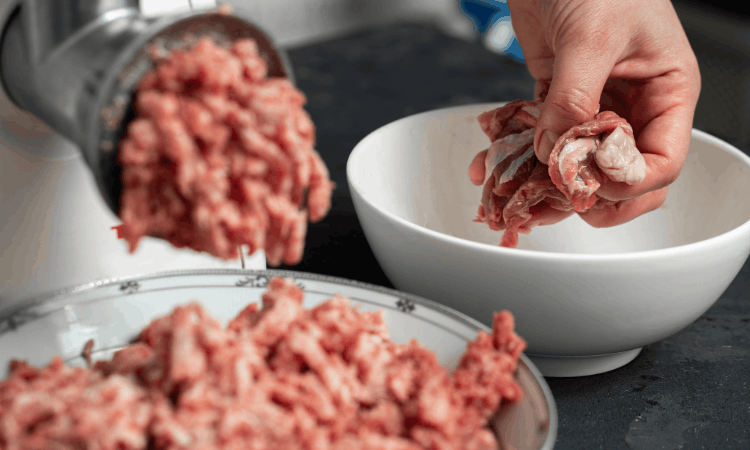
Meat and meat products are an indispensable part of a balanced diet. However, failure to comply with hygiene regulations throughout the entire process—from production to consumption—can seriously threaten both product quality and human health. At this point, laboratory analyses play a critical role in ensuring access to safe food.
Various analyses are performed on meat, ground meat, sucuk, salami, sausages, and similar products for different purposes:
These help control harmful bacteria such as Salmonella, E. coli, and Listeria and assess production hygiene. These analyses are the most fundamental safety measure in preventing foodborne infection risks.
By examining properties such as protein, fat, moisture, salt, and pH, information about the product’s composition and quality is obtained. These analyses are also necessary for verifying the product’s nutritional value and checking label claims.
Veterinary drug residues, heavy metals, and other undesirable substances—depending on the product—are monitored. In particular, antibiotic and hormone residues pose a significant public health risk.
The product’s quality is assessed by evaluating characteristics such as color, odor, appearance, and texture. Sensory analyses ensure the objective evaluation of organoleptic criteria that directly influence consumer perception.
Analyses conducted on meat and meat products:
They also help maintain product quality, strengthen brand reputation, and increase consumer confidence.
| Type of Analysis | Benefit |
|---|---|
| Microbiological | Pathogen control, hygiene verification, outbreak prevention |
| Chemical | Nutritional value verification, label compliance, standardized production |
| Residue/Contaminant | Toxic risk control, regulatory compliance |
| Sensory | Organoleptic quality, consumer satisfaction |
To ensure the safety of meat and meat products, hygiene and proper temperature conditions must be maintained not only during the production phase but also during storage and transportation. A break in the cold chain directly increases the risk of microbial growth.
Regular laboratory analyses appropriate for the product;
Let’s not forget: Reliable meat and meat products are made possible through hygienic production and accurate analysis. Regular laboratory testing is not merely a legal requirement; it is the key to protecting consumer health, enhancing brand credibility, and ensuring sustainable production.
For all your requests, contact us.
For the latest news and updates about our services, follow us on LinkedIn.
To stay updated on our latest blog posts, follow our Instagram account.