
BLOG
KATEGORİDEKİ DİĞER YAZILAR
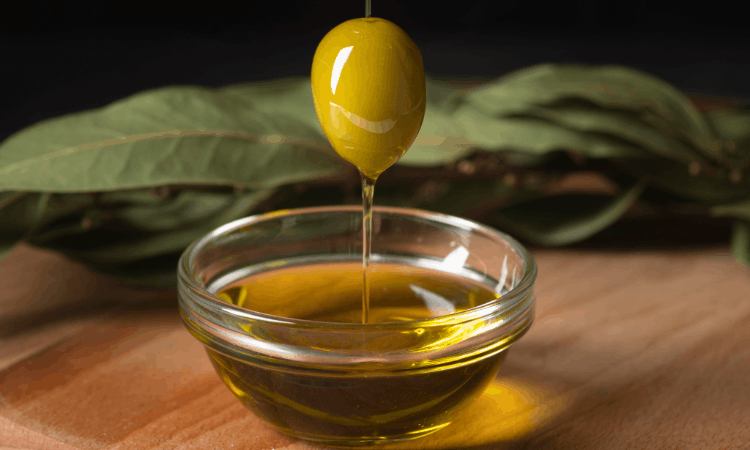
Olive oil, obtained through cold pressing from olives—the fruit of the olive tree (Olea europaea)—is one of the most valuable foods nature has to offer. Notable for its high content of oleic acid (a monounsaturated fatty acid), olive oil protects cells against free radicals thanks to its antioxidant properties and is highly beneficial for heart health. Rich in vitamins A, D, E, and K, as well as minerals, olive oil is a delicious oil widely used throughout Turkey—particularly in the Aegean, Mediterranean, and Marmara regions—and is an indispensable part of the Turkish table.
Our country is one of the world’s major players in olive oil production. Olives grown particularly in our Aegean and Mediterranean regions provide ideal conditions for producing high-quality and flavorful olive oil. Thanks to its location on the historic Silk Road, Turkey has been exporting olive oil to many countries around the world for centuries.
However, olive oil production is not limited to these regions alone. Olive cultivation also takes place in certain areas of Eastern Anatolia. This is of great importance in terms of protecting our olive oil through the geographical indication system and highlighting the unique characteristics of olive oils from different regions.
Olive oil produced in Turkey is recognized in the global market as a high-quality and natural product. Extra virgin olive oil, in particular, is a preferred type of oil in cuisines around the world. Olive oil producers in our country use modern technologies alongside traditional methods to produce olive oil that meets global standards.
This is the highest-quality type of olive oil. It is obtained through the cold-pressing method from the first pressing of the olives. With an acidity level below 0.8%, it best preserves the olive’s natural aroma, flavor, and nutritional value.
This olive oil is obtained by mechanically pressing olives; it has an acidity level between 0.8% and 2% and is slightly lighter than natural extra virgin olive oil.
This oil is used for industrial purposes and is resistant to high temperatures. It is produced by refining oil obtained from low-quality olives through physical and chemical processes. During these processes, the oil’s natural aroma, color, and some nutritional values are lost.
An oil consisting of a blend of refined olive oil and natural olive oils suitable for direct consumption, with a free fatty acid content (expressed as oleic acid) not exceeding 1.0 grams per 100 grams.
This oil is obtained by adding various spices, herbs, fruits, and vegetables to olive oil and, in terms of other characteristics, meets the criteria for products in its category as defined by the relevant Regulation.
Olive oil analyses are a series of tests conducted to determine the product’s quality, purity, and suitability for consumption by examining the physical, chemical, and sensory characteristics of the olive oil. Through these analyses, information is obtained regarding the olive oil’s:
and many other details.
The quality, purity, and reliability of olive oil are determined through various analyses:
For olive oil producers, analysis results are a vital tool for proving the quality of their products and earning consumer trust. Through these analyses, producers can identify areas for improvement in their production processes and make their products more competitive.
For olive oil consumers, analysis results provide an objective assessment of the product’s chemical and physical properties, enabling an informed consumption experience. This allows consumers to make health-conscious choices based on detailed information about nutritional parameters such as fatty acid profile and antioxidant content.
As the Nanolab Laboratories Group, we use advanced analytical techniques—such as chromatography and spectrometry—to thoroughly determine numerous parameters of your olive oil, including its fatty acid profile, triglyceride structure, sterol composition, and antioxidant content.
Through our comprehensive analyses, we evaluate the chemical, physical, and sensory properties of olive oil to determine the quality of your product according to international standards. Thanks to our advanced analytical instruments, such as GC-MS and HPLC, we accurately determine the purity, freshness, and nutritional value of your olive oil. In this way, we reveal the true value of your product and provide reliable results to both you and your consumers.
For all your inquiries, contact us.
For the latest news and updates about our services, you can follow us on LinkedIn.
To stay updated on our latest blog posts, follow our Instagram account.