
BLOG
KATEGORİDEKİ DİĞER YAZILAR
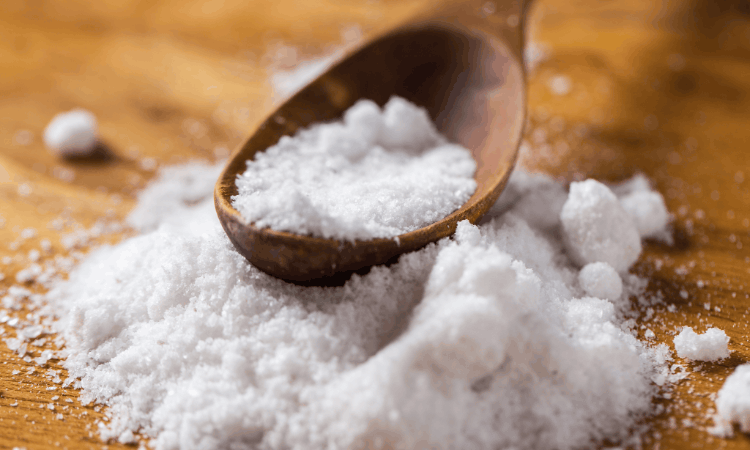
Have you ever wondered, “Why does this food taste so good?” There’s a substance that makes the taste of some foods more intense and appealing—one we often consume without even realizing it: MSG (monosodium glutamate). Found primarily in ready-to-eat and processed foods, MSG is a food additive known for enhancing flavor. So what exactly is MSG, why is it used, and how much of what’s said about it is true?
MSG imparts a rich and distinct flavor known as umami to foods. For this reason, it is used in ready-made soups, potato chips, sauces, and various processed foods.
From time to time, various health-related debates about MSG come to the forefront. Therefore, it is important to know what MSG is, for what purposes it is used, and what precautions to take when consuming it.
Is MSG, which makes a food’s flavor more intense and distinct, really just a “flavor enhancer”? Monosodium glutamate (MSG) is a food additive used to enhance the umami flavor in foods and is known by the code E621. However, the presence of MSG in foods is important not only for its intended use but also for determining its quantity, ensuring compliance with regulations, and safeguarding consumer safety.
The primary goal in the use of food additives is to protect consumer health while ensuring that technologically necessary uses are kept under control. In Turkey, the use of MSG is regulated under the Turkish Food Codex for specific food categories and subject to defined conditions. During official inspections conducted by the Ministry of Agriculture and Forestry, samples are taken from products where MSG use is common—such as ready-to-eat soups, flavor enhancers, bouillons, and meat products—and analyzed.
Internationally, MSG is classified as a “flavor enhancer” under the code INS 621. In the JECFA assessment conducted under the auspices of FAO/WHO, the group ADI value for glutamic acid and its salts is listed as “not specified.” This statement is interpreted to mean that a specific numerical daily intake limit is not required under normal conditions of use.
One of the key aspects of food safety is the ability to determine, through laboratory analysis, whether a product contains MSG and, if so, in what quantity.
MSG analysis is conducted in Food Control Laboratories in Turkey. For example, the 2026 analysis list of our laboratory, the Nanolab Laboratories Group, states that the total MSG content in meat and meat products as well as spices can be determined using a spectrophotometric method based on L-glutamic acid. This method aims to measure the amount in the sample by utilizing the specific chemical properties of glutamate.
Additionally, the official laboratory system in Turkey includes decision rules for determining MSG (E621) levels based on glutamic acid. These analyses help evaluate the compliance of samples collected during official inspections with regulatory requirements.
In scientific studies, however, different analytical techniques may be used. For example, chromatographic methods can be used to separate glutamate and determine its concentration. Sources from the European Union Reference Laboratory specify methods such as ion-exchange chromatography and photometric detection for the quantitative determination of monosodium glutamate.
Food safety inspections for MSG are not limited to laboratory analysis alone. First, samples are collected from appropriate products as part of risk-based official controls. The samples are sent to authorized food control laboratories, where the necessary analyses are performed. The results obtained are used to assess whether the product complies with relevant regulations.
For example, the Istanbul Provincial Directorate of Agriculture and Forestry collected samples from meat products such as sucuk, salami, and sausages in 2024 and had MSG analyses performed. The agency also stated that official controls for MSG are ongoing in product groups such as ready-to-eat soups, flavor enhancers, meat products, and bouillons.
MSG is a food additive used as a flavor enhancer; however, from a food safety perspective, the key issue is ensuring its use complies with regulations and can be verified through laboratory analyses when necessary. When label information, official inspections, and laboratory analyses are evaluated together, the role of MSG within the food safety system becomes clearer.
For this reason, rather than making one-sentence assessments of MSG as merely “harmful” or “harmless,” it is essential to evaluate together in which products it is used, in what quantities, what the regulations stipulate, and what the analysis results indicate.
For all your inquiries, contact us.
For the latest news and updates about our services, you can follow us on LinkedIn.
To stay updated on our latest blog posts, follow our Instagram account.