
BLOG
KATEGORİDEKİ DİĞER YAZILAR
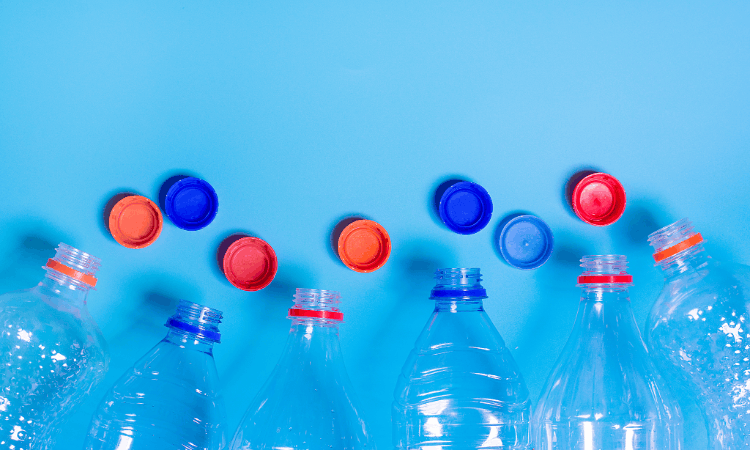
The PPWR sets 2030 and 2040 targets for the use of recycled content in plastic packaging. It is important for manufacturers to begin assessing PCR content, raw material sources, and—in particular—chemical safety in food-contact packaging now. In this article, we discuss the requirements facing manufacturers regarding the use of recycled plastics under the PPWR and the analyses that need to be considered.
The European Union’s Packaging and Packaging Waste Regulation – PPWR (EU) 2025/40 introduces significant changes in the packaging sector aimed at reducing packaging waste and supporting the circular economy. One of these changes is the establishment of minimum targets for the use of post-consumer recycled (PCR) content in plastic packaging.
In line with the targets set under Article 7 of the PPWR, plastic packaging manufacturers will need to manage the recycled content ratio of the plastic raw materials they use—as well as the source of that content—more carefully in the coming years.
Plastic packaging accounts for a significant portion of packaging waste in Europe. One of the PPWR’s primary goals is to reduce resource consumption throughout the packaging lifecycle and increase the reintroduction of materials recovered through recycling back into the economy.
In line with this approach, PPWR not only promotes the recyclability of packaging but also encourages the use of recycled plastic in packaging production where appropriate and sets minimum requirements for specific packaging categories.
The key distinction here is this: Recyclable packaging is not the same as packaging containing recycled content. A piece of packaging may be technically recyclable, yet no recycled plastic may have been used in its production. The PPWR addresses these two approaches under separate requirements.
Under Article 7 of the PPWR, specific minimum recycled content targets for the plastic components of plastic packaging are set to take effect as of January 1, 2030, or three years after the relevant implementing regulation enters into force (whichever is later). This calculation is based on the production facility and annual average, depending on the relevant packaging type and format.
| Plastic Packaging Category | 2030 Minimum Target | 2040 Minimum Target |
|---|---|---|
| Plastic packaging made primarily of PET for contact-sensitive products* | 30% | 50% |
| Contact-sensitive packaging made from plastics other than PET* | 10% | 25% |
| Single-use plastic beverage bottles | 30% | 65% |
| Other plastic packaging | 35% | 65% |
* Single-use plastic beverage bottles are evaluated separately from these categories.
These percentages are defined based on recycled content recovered from post-consumer plastic waste. Additionally, since the PPWR includes certain exceptions and special application provisions, the type of packaging, its intended use, and relevant exceptions must be examined separately when evaluating the target percentage for each product.
One of the key issues for manufacturers is not only using recycled plastic but also ensuring that the recycled content used can be accurately identified and traced. Under the PPWR, the calculation approach—based on the production facility and annual average—may require manufacturers to manage their raw material and production records in a more systematic manner.
For this reason, it is important for manufacturers to evaluate the following issues now:
Especially in packaging consisting of multiple layers or different plastic components, it is crucial to accurately assess in which plastic section and in what proportion the recycled content is present.
Recycled material derived from plastic waste generated after consumer use.
Example: Used PET bottle → collection → sorting → recycling → rPET
The PCR approach is particularly important in terms of the minimum recycled content targets specified in Article 7 of the PPWR.
It consists of production waste generated during the manufacturing process and reused.
Example: Trimmings from film production → grinding → use in remanufacturing
PCR and PIR technically refer to different sources of recycled material. However, the specific minimum targets in Article 7 of the PPWR are based on content recovered from post-consumer plastic waste. Therefore, the reuse of production waste alone does not mean that the relevant PCR targets are met.
The previous usage conditions of plastics entering the recycling process may not always be the same. Therefore, depending on the product’s intended use, various chemical assessments may be required for recycled plastics:
Migration behavior is a critical issue, particularly in food-contact applications. Safety assessments for recycled plastic materials in contact with food must be addressed in conjunction with relevant EU food-contact legislation. Regulation (EU) 2022/1616 also establishes specific requirements regarding the use of recycled plastics in food contact applications.
As the PPWR’s recycled content targets approach 2030, it is important for manufacturers to evaluate not only their current products but also their raw material supply chains.
As the Nanolab Laboratories Group, we provide technical support to manufacturers in migration testing, chemical analysis, and material evaluation tailored to the needs of packaging and food-contact materials.
To find out which analyses need to be evaluated under the PPWR based on the structure and intended use of your packaging, please contact Nanolab.
For all your inquiries, contact us.
For the latest news and updates about our services, you can follow us on LinkedIn.
To stay updated on our latest blog posts, follow our Instagram account.