
BLOG
KATEGORİDEKİ DİĞER YAZILAR
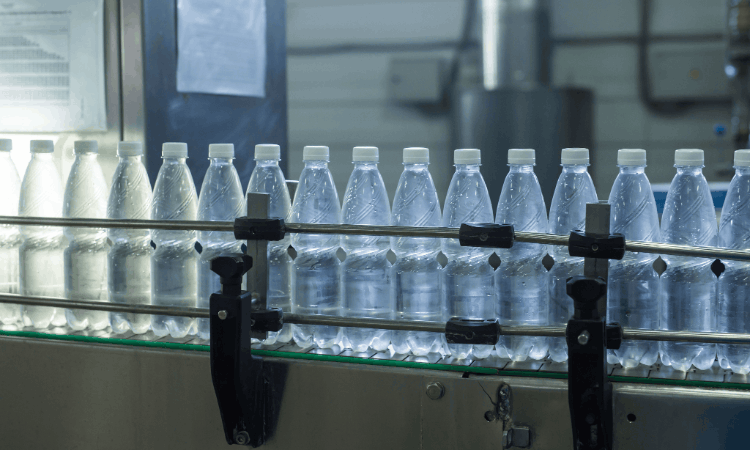
The European Union Packaging and Packaging Waste Regulation (PPWR), which takes effect on August 12, 2026, has made the control of PFAS substances in food-contact packaging even more critical. So, what analyses should packaging manufacturers have performed, how should they evaluate the results, and what should they pay attention to ensure regulatory compliance?
For food manufacturers, monitoring both the final product and raw materials is crucial. Determine the PFAS panel appropriate for your product category and target market to assess the status of your packaging and food separately. Clarify the scope of analysis with Nanolab before shipment.
Per- and polyfluoroalkyl substances (PFAS) are a broad group of chemicals containing carbon-fluorine bonds and noted for their environmental persistence. They are used in various industrial applications because they provide resistance to water, oil, and certain chemical effects.
Examples of products in food packaging that may contain PFAS include:
can be cited as examples. Some PFAS substances can persist in the environment for long periods, and certain compounds raise concerns regarding human health. Therefore, assessing the presence of PFAS in materials that come into contact with food is crucial for product safety and regulatory compliance.
Under Article 5 of the European Union’s Packaging and Packaging Waste Regulation (No. 2025/40), specific PFAS concentration limits will apply to food-contact packaging starting August 12, 2026.
| Analysis Parameter | Limit |
|---|---|
| Any individual PFAS in targeted analysis | 25 µg/kg (25 ppb) |
| Total PFAS measured by targeted analysis | 250 µg/kg (250 ppb) |
| Total PFAS, including polymeric PFAS | 50 mg/kg (50 ppm) |
When evaluating the first two limits, amounts of polymeric PFAS are not included in the calculation. The third limit established for total PFAS, however, includes polymeric PFAS substances. These limits do not provide an exemption independent of other relevant European Union chemical safety restrictions.
PFAS concentrations equal to or higher than the thresholds under Article 5 are evaluated under the relevant marketing ban. In targeted total analysis, the pretreatment of precursor compounds is taken into account when necessary. If total fluorine exceeds 50 mg/kg, the evidence regarding whether the measured fluorine originates from PFAS or non-PFAS sources must also be evaluated.
The method to be used for PFAS analysis must be determined based on the material composition of the packaging, the target compounds, and the detection limits required by regulations.
Liquid chromatography-tandem mass spectrometry (LC-MS/MS) is one of the analytical techniques used to identify and quantify selected PFAS compounds at low concentrations. Using this method, compounds such as PFOA, PFOS, PFHxS, and PFNA can be analyzed within the scope of an appropriate method.
Total fluorine analysis is a screening approach for assessing the amount of fluorine in packaging materials. However, the total fluorine content is not directly equal to the total PFAS content. Inorganic fluorine sources can also affect the measurement results.
When high results are obtained in total fluorine analysis, it may be necessary to assess whether the fluorine is of organic or inorganic origin. Additionally, the TOP (Total Oxidizable Precursors) approach is a complementary method based on the conversion of specific PFAS precursors into measurable compounds following oxidation.
The European Commission’s 2026 implementation guide recommends a stepwise analytical approach for PFAS compliance assessment. The guidance outlines an approach that includes total fluorine screening, investigation of the fluorine source when necessary, and direct TOP analysis. This guidance does not imply that there is a single, harmonized analysis method at the EU level for packaging. Confirm the appropriate analysis sequence and scope of the report with the laboratory based on your material.
Proper sample selection in PFAS testing is one of the key steps in obtaining reliable results. In particular, the following factors should be evaluated:
It is important for manufacturers to include the final packaging in their analysis plan based on a risk assessment, rather than relying solely on raw material analyses. Different production batches, coating formulations, or changes in suppliers may necessitate new analyses.
Food and packaging require two separate samples and compliance assessments. PFAS contamination in food may be related to environmental sources, water, feed, and food contact materials. A passing packaging analysis does not indicate the PFAS level in the final product.
Under EU Regulation No. 2023/915, maximum levels are established for PFOS, PFOA, PFNA, and PFHxS—both individually and as a sum of the four compounds—in certain foods. Eggs, fish meat, crustaceans, bivalve mollusks, and the meat and offal of farmed and wild animals are among the covered groups. Limits vary by subcategory; the 25 ppb, 250 ppb, and 50 ppm thresholds used for packaging do not apply to food.
Producers supplying food to the EU must clarify the product’s exact category and, if applicable, the assessment regarding processing or composition. The obligation to ensure food compliance does not imply the same testing frequency for every batch across all facilities. A sampling plan must be developed based on risk, past results, buyer specifications, and applicable control conditions.
EU Recommendation No. 2022/1431 recommended monitoring a broad range of product groups—including fruits, vegetables, grains, foods for infants and young children, animal products, and beverages—during the 2022–2025 period. The indicator levels that triggered the study in the recommendation are not the same as the binding maximum limits. This monitoring approach can be considered as a reference for a risk-based screening plan in 2026. It should not be interpreted as a general testing requirement for every batch of all these products.
Producers of eggs, meat, and seafood, as well as businesses exporting to the EU, may prioritize PFAS testing appropriate for their product category. Changes in raw materials or water sources, new suppliers, customer requests, and suspected environmental contamination are also concrete reasons for assessing the need for screening.
PFAS sampling and analysis requirements for official EU controls are defined in Regulation 2022/1428. The sample quantity, container type, and storage and transport conditions must be clarified with the laboratory in advance. Secondary contamination during sampling must be prevented; the detection limit of the method used must be sufficient to assess the relevant food limit.
Submit a test request to Nanolab by providing details about your product and target country to receive individual results for the four key compounds as well as a total assessment. Confirm the method’s suitability for your product matrix, the limit of quantification, and the scope of accreditation during the quotation phase.
Laboratory analysis reports must evaluate not only the detected concentrations but also the method used and the measurement performance. The following information is particularly important:
The failure to detect specific PFAS compounds in a sample does not mean that all PFAS substances are absent. Therefore, analysis results must be interpreted by considering both the scope of the method and regulatory requirements.
Check how the total of the four compounds is calculated in food results, the unit used in the report, and the compliance decision rule. A result below the limit of quantification does not mean zero content.
PFAS content analysis and migration analysis serve different purposes. PFAS content analysis focuses on determining the concentration of relevant substances in packaging materials. Migration analysis, on the other hand, aims to evaluate substances that migrate from the packaging into food or suitable food simulants under specific conditions.
The PFAS concentration limits established under the PPWR should not be interpreted directly as migration limits. When assessing the overall food contact safety of packaging, other applicable regulations and migration requirements specific to the material type must also be taken into account.
For Turkish packaging manufacturers and food exporters supplying products to the European Union market, PFAS restrictions may require a reassessment of supply chain and product compliance processes. Businesses are advised to follow the steps below:
Especially for exporting companies, integrating analysis processes with production and quality assurance systems can help identify potential nonconformities at an early stage.
These EU regulations do not automatically impose a general PFAS testing requirement for all products sold in Turkey. Target country conditions and customer specifications must be evaluated separately. In addition to the packaging dossier, food manufacturers may include final product and raw material results in their control records as needed.
Assessing the chemical safety of food-contact packaging requires selecting the appropriate analytical methods and interpreting the results in accordance with relevant regulations.
With its analytical services and technical expertise in materials that come into contact with food, the Nanolab Laboratories Group supports packaging manufacturers in their quality control and regulatory compliance efforts.
You can contact the Nanolab Laboratories Group to determine the appropriate PFAS analysis scope for your product and to obtain information about sample acceptance criteria and your analysis requests.
Share your product name, material or food category, packaging structure, and target market. If available, please also include your customer specifications. Work with Nanolab to clarify the analysis panel, appropriate detection limits, sample acceptance criteria, and reporting timeline prior to shipment. This will allow you to support your supplier and batch decisions with measurable data specific to your product.
For all your requests, contact us.