
















BLOG
KATEGORİDEKİ DİĞER YAZILAR
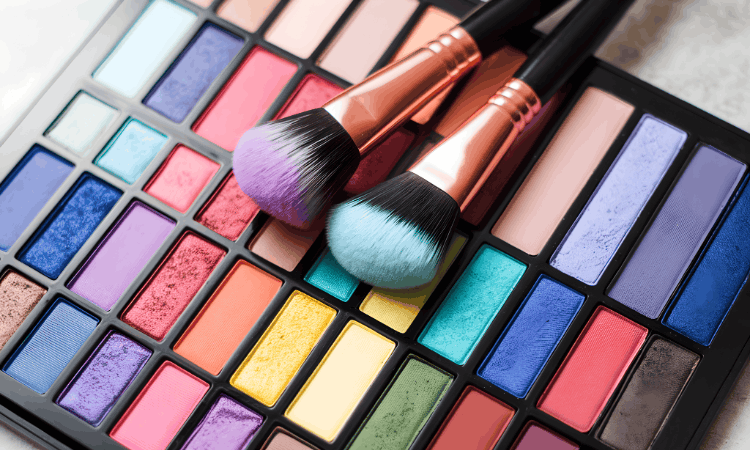
Per- and polyfluoroalkyl substances (PFAS) are a broad group of synthetic chemicals also known as “forever chemicals” due to the exceptional durability provided by their carbon-fluorine bonds. Thanks to their resistance to water, oil, and stains, as well as their heat stability and surface-active properties, these substances—which can also be used in cosmetic products—have become one of the most intensively addressed issues by regulatory agencies in recent years.
So, what do current regulations say about the use of PFAS in cosmetics? How is the legal framework taking shape in the EU and Turkey? In this article, we examine PFAS regulations—which closely concern the cosmetics industry—from a chronological and comparative perspective.
PFAS substances are known for their ability to persist in the environment and living organisms without breaking down for long periods. This persistence can lead to accumulation over time. Scientific studies have highlighted the effects of certain PFAS compounds on:
have been raised. Although dermal exposure through cosmetic products is relatively low compared to other routes of exposure, assessing total exposure is important when considering daily and long-term use.
The European Union has adopted one of the most comprehensive regulatory approaches worldwide regarding PFAS. The key regulations pertaining to cosmetic products can be grouped under four main headings:
This regulation, which establishes the basic framework for the safety, labeling, and placing on the market of cosmetic products in the EU, regulates the substances that may be used in cosmetic products through the lists in Annex II (prohibited substances), Annex III (restricted substances), and Annexes IV–VI (colorants, preservatives, and UV filters). Certain compounds from the PFAS family are listed as prohibited or restricted substances under these annexes.
In accordance with the Regulation’s fundamental principle, a cosmetic product must be safe and documented by the responsible person through a Product Safety Report in order to be placed on the market. For products containing PFAS, this assessment must be conducted within the framework of the relevant restrictions.
REACH (EC) No. 1907/2006, the EU Regulation on the Registration, Evaluation, Authorization, and Restriction of Chemicals, contains significant restrictions on PFAS substances. The key regulations under REACH Annex XVII are as follows:
REACH restrictions cover a wide range of products, including cosmetics. Cosmetics manufacturers must regularly verify that the raw materials they use comply with the REACH restrictions list.
Compounds such as PFOS (perfluorooctane sulfonic acid) and PFOA, which are classified as Persistent Organic Pollutants (POPs), have been banned or strictly restricted worldwide under the international Stockholm Convention. The EU’s POPs Regulation (EU) 2019/1021 regulates the production, use, and placing on the market of these substances.
A proposal prepared under the leadership of Germany, the Netherlands, Denmark, Sweden, and Norway, which aims to comprehensively restrict the entire PFAS group, was submitted to the European Chemicals Agency (ECHA) in 2023. This proposal;
In Turkey, cosmetic products are regulated under the Cosmetic Products Regulation. This regulation was drafted largely in accordance with the EU Cosmetics Regulation No. 1223/2009 and is enforced by the Turkish Medicines and Medical Devices Agency (TİTCK).
Under the regulation:
For this reason, PFAS restrictions have become critical for Turkish cosmetics manufacturers supplying products to the EU market, both in terms of export compliance and domestic market compliance. The process of incorporating changes in EU legislation into national legislation is a topic that manufacturers must monitor regularly.
Products containing PFAS compounds subject to restrictions may require reformulation. This process necessitates the evaluation of alternative ingredients in terms of performance, stability, and safety.
It is becoming increasingly important for cosmetics manufacturers to request declarations and documentation regarding PFAS content from their raw material suppliers to ensure supply chain transparency.
Compliance with PFAS restrictions has become an integral part of the Product Safety Report. It is crucial for manufacturers to keep these documents up to date for audits and market surveillance.
Consumer information regarding products that contain or do not contain PFAS is becoming increasingly important in line with the principle of transparency. In some countries, voluntary labeling practices for PFAS-free products are also developing.
You can contact Nanolab’s team of experts to determine the appropriate scope of PFAS analysis for your product’s composition and target market.
The end of the era of “forever chemicals” in cosmetics will be made possible through proper regulatory compliance and informed formulation choices.Note: This article is for general informational purposes. For current regulatory references and compliance assessments, it is recommended to consult the original texts of relevant EU, ECHA, TİTCK, and national regulatory sources.