
BLOG
KATEGORİDEKİ DİĞER YAZILAR
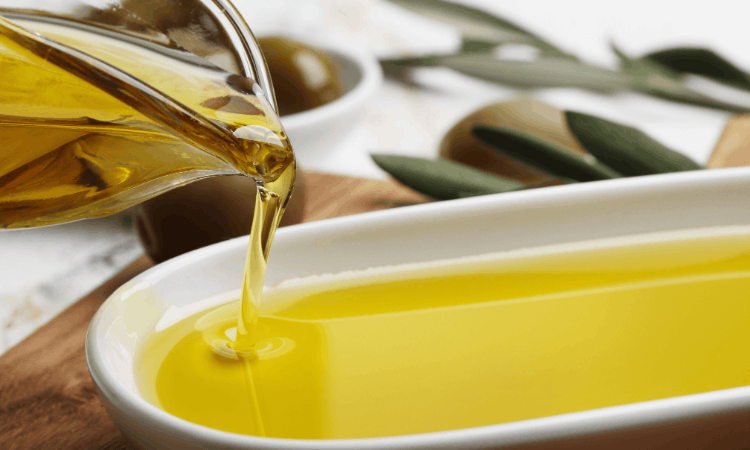
The EU Official Journal dated November 13, 2026, highlighted two important developments closely related to the agriculture and food sectors: the process to ban the active ingredient buprofezin and the amendment to Article 36 of the 2015 International Agreement on Olive Oil and Table Olives.
The active ingredient buprofezin is among the substances for which the European Union has decided not to renew approval. In assessments conducted by the European Food Safety Authority (EFSA), the substance was found to possess endocrine (hormone) disrupting properties. This finding formed the basis for the European Commission’s decision to reject the application for renewal of the authorization.
In terms of the effective date and transition period, the situation is as follows:
Steps taken to date regarding buprofezin in Turkey and the current situation:
| Topic | Status |
|---|---|
| Partial ban (October 6, 2022) | The Ministry of Agriculture and Forestry has revoked all recommendations for use on peppers, eggplants, and tomatoes. Use on these crops is prohibited. |
| Active registrations | According to the Ministry’s Plant Protection Products Database, the substance remains authorized for use in other registered products, primarily citrus fruits (oranges, tangerines, lemons, grapefruits). |
| Possible new timeline | The Ministry generally incorporates active ingredients banned in the EU into its own evaluation schedule and phases them out gradually: first a ban on imports, followed by a ban on manufacturing, and finally a ban on use. |
Article 36 of the 2015 International Olive Oil and Table Olives Agreement was the rule that determined
how long the fundamental international treaty governing the International Olive Council (IOC) would remain in effect, how its term could be extended, and how the agreement could be terminated.The current text of the agreement did not include a clear limit on the duration of extension periods. To resolve this uncertainty, significant steps were taken on June 8, 2026. However, since the internal approval processes of all member states (Turkey, Spain, Italy, etc.) had not yet been completed, the process proceeded as follows:
The EU Official Journal dated November 13, 2026, highlighted two distinct yet complementary developments for the agriculture and food sector:
At Nanolab, we continue to monitor the impact of these developments on the sector and their implications for analytical processes.
For all your requests, contact us.
For the latest news and updates about our services, you can follow us on LinkedIn.
To stay updated on our latest blog posts, follow our Instagram account.