Microplastics: Risks from Food and Water Sources
What Are Microplastics?
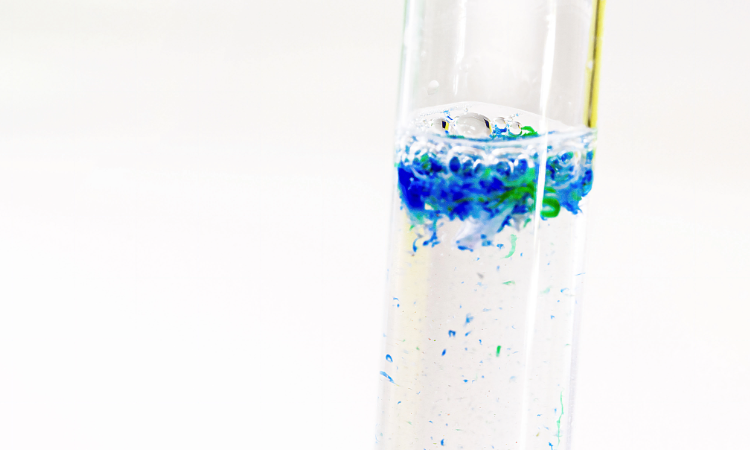
Microplastics: Risks from Food and Water Sources and Analysis Methods
Plastic pollution has become one of the most significant environmental and public health issues of our time. Microplastics, formed when plastics break down into small particles in the environment, can now be detected in the food chain, drinking water, and even the human body. This situation has made the analytical identification of microplastics and risk assessment one of the top priorities in food safety.
So, what exactly are microplastics, how do they contaminate food, what are their potential health effects, and what methods are used to analyze them in laboratories?
What Are Microplastics?
Microplastics are generally defined as plastic particles smaller than 5 millimeters. They are divided into two main groups based on their sources:
Primary Microplastics
These are plastic particles produced directly at the micron scale:
- Microbeads used in cosmetic products (scrubs, toothpaste)
- Synthetic fibers used in textile production
- Industrial abrasives and cleaning products
- Polymer powders used in the pharmaceutical and coating industries
Secondary Microplastics
These are particles formed as a result of the breakdown of larger plastic products due to environmental factors (UV, heat, mechanical wear, microbial degradation):
- Plastic packaging waste
- Synthetic textile products
- Particles resulting from tire wear
- Paint and coating residues
Particles smaller than 5 mm are classified as microplastics, while those smaller than 1 micrometer are classified as nanoplastics.
How Do Microplastics Contaminate Food?
Microplastics can enter the food chain through multiple routes:
1. Contamination from Packaging
Plastic packaging can release microplastics from its surface, especially when exposed to heat, light, and mechanical stress. Bottled drinking water, food containers, and plastic wrap are evaluated in this context.
2. Environmental Contamination
Plastic pollution in oceans, lakes, and rivers can enter the food chain through aquatic organisms. Sea salt, fish, and shellfish are monitored in this context.
3. Agricultural Contamination
Plastic mulch films used in agriculture may lead to the transfer of microplastics into the soil—and consequently into plant products—via fertilizers and irrigation water.
4. Process-Related Contamination
Plastic equipment, piping, and conveyor belts used in food processing can wear down and release particles into food.
5. Contamination from Drinking Water
The presence of microplastics in both bottled and tap water has been demonstrated by scientific studies.
Potential Health Effects of Microplastics
The effects of microplastics on human health are still the subject of intensive research. The primary concerns highlighted in the scientific literature are as follows:
- Physical effects: The potential for particles to accumulate in tissues and organs
- Chemical transport: Persistent organic pollutants, heavy metals, and additives adsorbed onto the surface of microplastics
- Additive release: Release of endocrine-disrupting chemicals such as phthalates and bisphenol A from the plastic matrix
- Microbial biofilm: The ability of pathogenic microorganisms to adhere to particle surfaces
- Inflammatory potential: Interactions of nanoplastics, in particular, at the cellular level
Although scientific data in this field is still evolving, risk assessment and exposure control are important for food safety.
Current Regulations and Standards
European Union
- Drinking Water Directive (EU) 2020/2184: Requirements for the monitoring of microplastics have been established.
- Commission Regulation (EU) 2023/2055: Restrictions have been imposed on the use of intentionally added microplastics in cosmetic products.
- EFSA opinions: Scientific assessments regarding microplastic exposure in food and drinking water are being published.
Turkey
- Efforts to monitor microplastics in drinking water quality and bottled water regulations are in the development phase.
- This issue is indirectly addressed within the framework of EU-compliant regulations on plastic packaging.
Although there are no binding maximum limits for microplastics at the international level yet, work continues on the standardization of monitoring and analysis methods.
Challenges Encountered in Microplastic Analysis
- Risk of contamination: Plastic particles originating from air, water, clothing, and equipment in the laboratory environment can lead to false-positive results.
- Size limitations: The analysis of nanoplastics (<1 µm) requires advanced instrumentation.
- Matrix complexity: Organic and inorganic components in food and water matrices complicate the analysis.
- Lack of standardization: There are currently no fully harmonized standards for sample preparation and reporting.
- Quantitative uncertainty: Standardization of the relationship between particle counting and mass measurement is still under development.
Recommendations for the Food Industry
- Caution in packaging selection: Evaluate plastic packaging contact, particularly for hot-fill applications, long-term storage, and fatty foods.
- Supply chain monitoring: Identify risks of microplastic contamination that may originate from raw materials and process equipment.
- Develop an analysis plan: Develop a microplastic monitoring program tailored to your product category and target market.
- Stay up to date on regulations: Regularly monitor developments at the EU and national levels.
- Consider alternative materials: Evaluate glass, metal, and biodegradable alternatives.
For all your inquiries, contact us.
For the latest news and updates about our services, follow us on LinkedIn.
To stay updated on our latest blog posts, follow our Instagram account.