Microplastics and Food Safety: Routes of Contamination, Risks and Analytical Methods
Sources of Microplastics
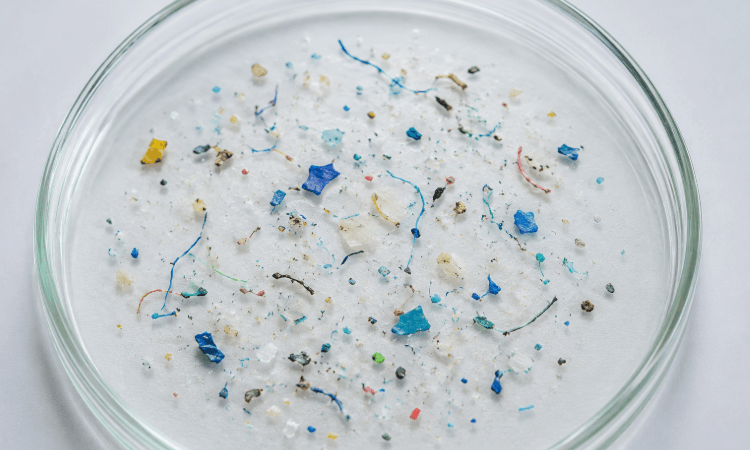
MICROPLASTICS AND THEIR IMPACT ON FOOD SAFETY
What Are Microplastics?
Plastic particles smaller than 5 mm in size, composed of polymer chains, and insoluble in water are referred to as “microplastics.” These particles can persist in the environment for long periods and enter the food chain through water, soil, and air.
Sources of Microplastics
Microplastics are divided into two main groups:1. Primary Microplastics: These are plastic particles designed to be small during the manufacturing process. Examples of this group include microbeads used in cosmetics, detergents, and baby diapers, as well as industrial plastic pellets.
2. Secondary Microplastics: These are formed when larger plastic materials break down due to physical, chemical, and biological processes. Plastic bottles, packaging materials, and fishing nets are among the major sources.
How Do Microplastics Contaminate Food?
Since microplastics are widespread in the environment, they can enter food through various routes:
• Through marine and freshwater products,
• Through irrigation water into agricultural products,
• As a result of migration from
packaging materials into food,
• Through environmental contamination during processing and storage,
• Through the settling of airborne particles onto food.
Potential Effects on Human Health
The effects of microplastics on human health are still being investigated. Current studies indicate risks such as:
• Potential effects on the digestive system,
• The formation of oxidative stress at the cellular level,
• An increased risk of inflammation,
• The transfer of plastic additives and environmental pollutants.
The Role of Laboratories in Microplastic Analysis
Laboratories play a crucial role in detecting the presence of microplastics in food and environmental samples and conducting risk assessments. The general steps followed in the analysis process are:
• Sample preparation and removal of organic material
• Filtration and separation processes
• Microscopic examination
• Identification of polymer type
• Evaluation and reporting of results
• Adoption of sustainable waste management practices.
Measures That Can Be Taken in the Food Industry
To reduce microplastic contamination:
• Reducing plastic use,
• Choosing appropriate packaging materials,
• Maintaining good hygiene practices in production areas,
• Regularly monitoring raw materials and water sources,
• Improving waste management practices are essential.
Microplastics have become one of the topics gaining increasing importance in food safety, with research in this area on the rise. Monitoring the presence of microplastics in food, assessing risks, and implementing measures to prevent contamination will play a significant role in future food safety strategies.
Thanks to advancing analytical methods and laboratory technologies, more reliable data is being obtained regarding the detection and characterization of microplastics, thereby making significant contributions to efforts aimed at protecting consumer health.
For all your questions, contact us. For the latest news and updates about our services, you can follow us on LinkedIn. To stay updated on our latest blog posts, follow our
Instagram account. REFERENCES
BT JUNE 2025 INTERNAL PAGES (01-96).pdf
2165865 - Microplastics and Food Safety
Microplastics_Scientific Opinion_03.01.2024
TUBA-978-625-8352-57-3_ch09.pdf
1066177 - Microplastics: Their Presence in Food and Effects on Health