




















BLOG
KATEGORİDEKİ DİĞER YAZILAR
• Plastic Type: The type of plastic used in bottles can affect the risk of perchlorate contamination. Some types of plastic may release chemicals, especially when exposed to high temperatures. However, most plastic bottles used today are made from materials considered safe for drinking water.
• Age and Usage Conditions of the Bottle: Older plastic bottles or those exposed to sunlight for extended periods carry a higher risk of chemical leaching.
• Characteristics of the Beverage: Acidic beverages may interact more with plastic bottles, causing chemicals to leach into the water.
• Source of Perchlorate: Rather than the plastic bottle itself, the presence of perchlorate in the water or other beverages placed inside poses a greater risk.
The widespread use of perchlorate and its ability to persist in the environment pose risks to human health and the environment. Therefore, controlling perchlorate levels and monitoring their presence in food products is crucial. Leafy vegetables, root vegetables, milk and dairy products, and drinking water may contain perchlorate. Recently, high levels of perchlorate were detected in carbonated beverages in Europe, leading to the recall of these products from store shelves. When it comes to perchlorate, LC-MS/MS is considered the gold standard for detection and quantification, particularly in complex matrices such as food and water.
High Sensitivity: Perchlorate can be present at very low concentrations, sometimes as low as parts per billion (ppb), which makes detection challenging. LC-MS/MS can detect and measure perchlorate even at these trace levels, ensuring accurate results.
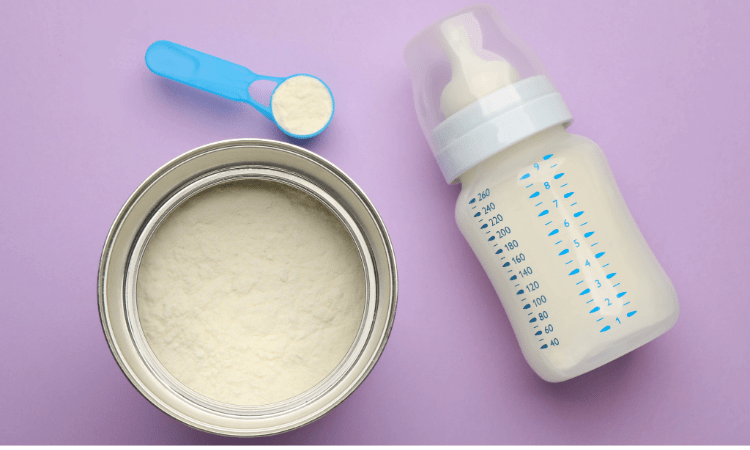
Scope: Fruits, vegetables, teas (dried products), grains and grain-derived products, food supplements, infant formula, and follow-on formula
At Nanolab, we perform chlorate-perchlorate analyses using our state-of-the-art LC-MS/MS instrument and our qualified personnel.
Turkish Food Codex Contaminants Regulation specifies limits for infant and follow-up formulas effective as of 2025, while limits for fruits, vegetables, herbs, and teas will take effect by 2026.