






















BLOG
KATEGORİDEKİ DİĞER YAZILAR
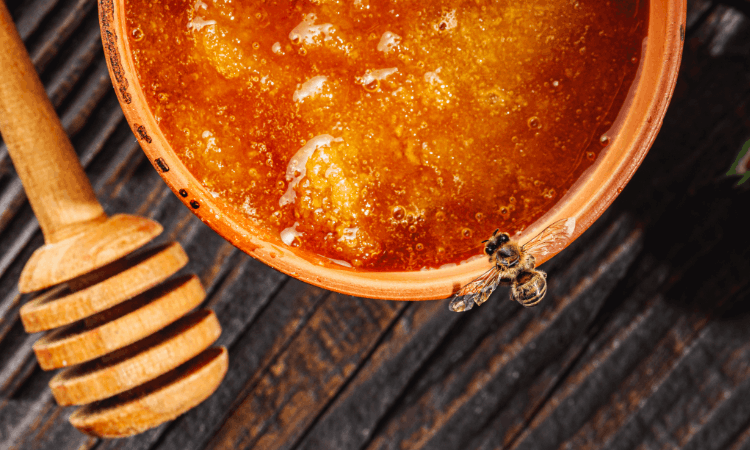
As interest in healthy and natural eating grows day by day, bee products are among the most prominent in this context. Among these products, honey is one of the most preferred and valuable foods. However, economic conditions and differences in production processes have led to the problem of counterfeit honey in the market. Combating honey counterfeiting is of great importance for both consumer health and the sustainability of the beekeeping sector. The most significant concern for consumers is the inability to be certain whether the honey they purchase is truly pure and natural.
Honey is formed when honeybees collect plant nectar, secretions from the living parts of plants, or secretions from plant-feeding insects living on these parts. Bees process and transform these substances using their own unique enzymes. Honey, which has reduced water content and is stored and ripened in honeycombs, has a structure that naturally crystallizes.
Honey varieties differ depending on the type of plant from which the nectar is obtained or the source of the secretion used. Generally, honey is divided into two main groups: flower honey and secretion honey.
As demand for honey—a high-nutrient, natural product—increases, unfortunately, cases of counterfeiting are also on the rise. For this reason, honey analysis is of great importance. The primary reasons are as follows:
Through honey testing conducted in accredited laboratories, the product’s quality, purity, and compliance with regulations are evaluated in detail. Commonly performed analyses include:
The analyses conducted provide important clues regarding the reliability of the honey. For example:
Such situations indicate that the product is not suitable for consumption. Thanks to honey analyses, consumers can safely access natural honey, while producers gain market trust by certifying the quality of their products. These analyses both protect public health and contribute to raising quality standards in the industry.
As the Nanolab Laboratories Group, we offer reliable and comprehensive services in honey analysis. To determine the purity and quality of honey, we conduct a wide range of analyses, including testing for numerous antibiotic residues. Thanks to our accreditations, the accuracy and reliability of the results are guaranteed. We work with expert partners, particularly in advanced analyses such as Delta C13, to provide you with the most accurate results.
You can utilize our professional analysis services to certify the quality of your honey and enhance consumer confidence.
For the latest news and updates about our services, follow us on LinkedIn.
To stay informed about our latest blog posts, follow our Instagram account.