














BLOG
KATEGORİDEKİ DİĞER YAZILAR
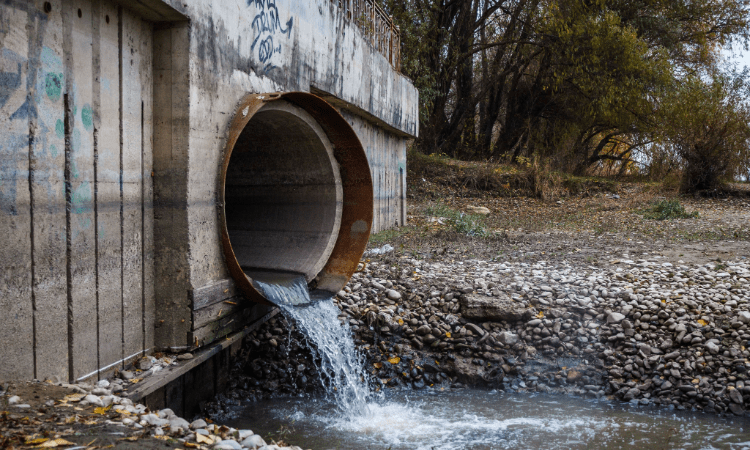
From our homes to factories, and from agriculture to industry, we need clean water in every sector. The amount of water used and the resulting wastewater problem are issues we face every day. With this in mind, let’s first answer the question, “What is wastewater?”
It is defined as water that has been physically, chemically, or biologically contaminated after use and has acquired properties different from its natural state. The substances causing this contamination include dissolved substances, solid particles, chemical pollutants, or microorganisms.
Listing the types:
Nanolab conducts Wastewater Analyses to determine the types and quantities of contaminants that may be present in water. Within this framework, accredited wastewater monitoring is provided through chemical, biological, and physical tests.
To assess the importance of analyses regarding water resources and wastewater discharge in Turkey, data shared by the Turkish Statistical Institute (TUIK) can be considered.
Data obtained by TUİK indicates that in 2020, municipalities, villages, manufacturing industry facilities, thermal power plants, Organized Industrial Zones (OSB), and mining operations withdrew 18.2 billion m3 of water, while in 2022, a total of 19.2 billion m3 of water was withdrawn.
According to the data published during this period, a total of 16.4 billion m³ of wastewater was discharged in 2022. The distribution of the discharged wastewater is as follows:
- 76.5% to the sea, 19.5% to rivers, 1% to reservoirs, 0.8% to septic tanks, 0.7% to lakes/ponds, 0.2% to land, and 1.4% to other receiving environments
Based on these data, we continue our wastewater analysis work as an accredited laboratory with TÜRKAK accreditation.
For details and more, contact us.
You can follow us on LinkedIn for the latest news and updates about our services.
Follow our Instagram account to stay updated on our latest blog posts.