








BLOG
KATEGORİDEKİ DİĞER YAZILAR
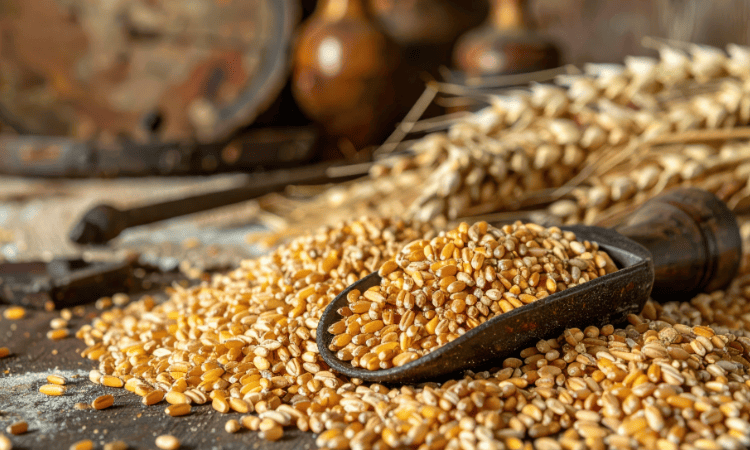
One of the key issues that has emerged in the field of food safety in recent years is Alternaria toxins. Increased scientific research and developments in European Union legislation have led to these toxins receiving greater attention in the food sector. These compounds, which are commonly found in agricultural products, can enter the food chain at various stages and pose a critical risk to both human health and international trade.
Mycotoxins are low-molecular-weight toxic compounds produced as a result of the metabolic activities of mold species such as Aspergillus, Penicillium, Fusarium, and Alternaria. Alternaria toxins, specifically, refer to the group of mycotoxins produced by molds of the Alternaria genus.
These toxins can cause various adverse effects on human and animal health.
According to assessments by the European Food Safety Authority (EFSA), Alternaria toxins are frequently detected in the following products:
Different Alternaria species can produce various toxins. The main ones include:
Scientific studies have shown that some Alternaria toxins may possess carcinogenic potential. Additionally, these compounds are reported to pose serious health risks such as:
Alternaria growth and toxin production are significantly influenced by environmental conditions. In particular:
such factors directly affect mold growth.
According to the literature, sorghum, cotton seeds, tomatoes, soybeans, and various grains provide suitable environments for Alternaria growth.
Alternaria toxins are a significant risk factor because they can form at various stages of the food chain, from agricultural production to the final product.
Especially for companies exporting to the European market:
have made these analyses an indispensable part of quality control processes.
In modern food laboratories, the analysis of Alternaria toxins is typically performed using the LC-MS/MS method.
Thanks to this method:
For this reason, LC-MS/MS is recognized as the gold standard in mycotoxin analysis.
Alternaria toxins are being monitored more closely by international food safety authorities.
In the European Union:
However, these values are not yet binding limits
In Turkey:
However, harmonization efforts with the EU are ongoing.
Please contact us for more information.
You can follow us on LinkedIn for the latest news and updates about our services.
Follow our Instagram account to stay updated on our latest blog posts.