














BLOG
KATEGORİDEKİ DİĞER YAZILAR
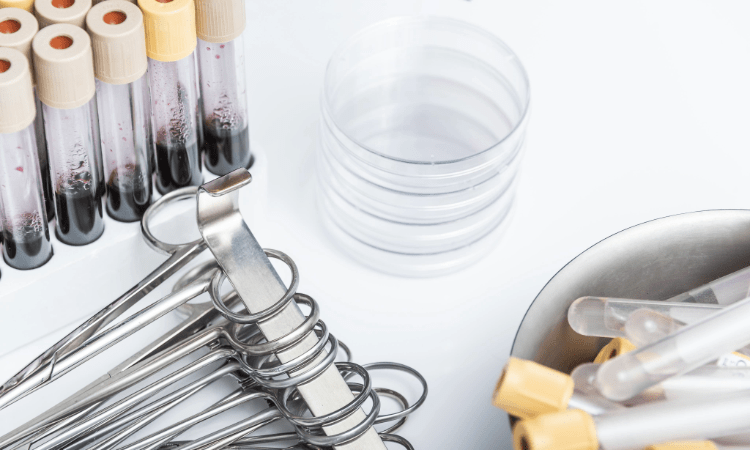
The IVDR (In Vitro Diagnostic Medical Devices Regulation - EU 2017/746) is an EU regulation that governs the safety, performance, and quality standards of in vitro diagnostic medical devices (IVD devices) within the European Union. It entered into force on May 26, 2017, and began to be implemented in phases starting May 26, 2022.
The European Union’s new regulation, IVDR (In Vitro Diagnostic Medical Devices Regulation - EU 2017/746), is ushering in a new era not only for manufacturers but also for testing laboratories. From diagnostic kits to software, and from sterile tubes to molecular tests, many products are now subject to much stricter performance and safety criteria.
So what does this new regulation mean for laboratory services?
The IVDR is a mandatory regulation that replaces the previous IVDD directive, aiming to improve:
• Safety,
• Clinical performance,
• Transparency,
• And traceability
of in vitro diagnostic devices (IVD) on the European market.
With the IVDR, the following changes now apply:
• Product classification has been redefined (from Class A to D)
• CE certification processes are now subject to Notified Body oversight
• Clinical and analytical performance tests must be documented
• Products are registered in the EUDAMED system, and the UDI system is implemented.
Testing laboratories are an integral part of the certification process under the IVDR. Manufacturers must not only design their products but also verify their performance through independent and accredited laboratories.
This is where Nanolab Laboratory Services comes in.
1. Analytical Performance Tests
2. Stability Tests
3. Comparison with Reference Methods
4. Sterility and Particle Tests
5. Chemical Characterization and Residue Analyses
Nanolab is here to support you with its competent infrastructure and expert analysts to evaluate your IVDR-covered products in accordance with European regulations and to support your documentation.
📞 Contact us for more information or to request a quote:
📧 [email protected] | 📍 Beylikdüzü / Istanbul
Follow us on LinkedIn for the latest news and updates about our services.
Follow our Instagram account to stay updated on our latest blog posts.