






















BLOG
KATEGORİDEKİ DİĞER YAZILAR
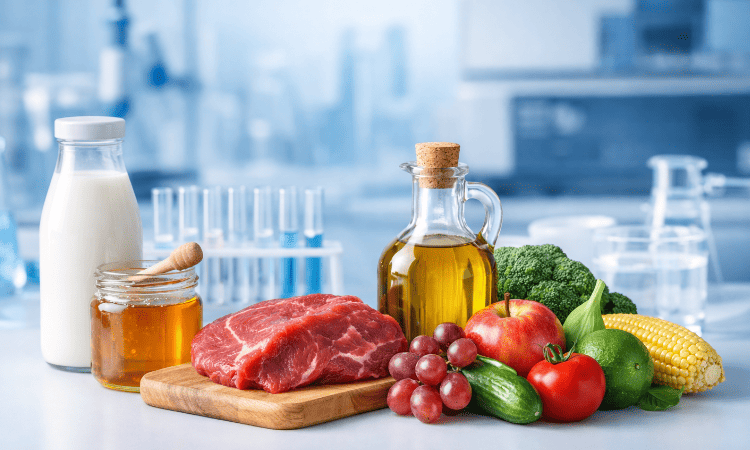
Food safety is one of the top concerns for consumers today. The ingredients, production process, and nutritional value of the products that end up on our tables have a direct impact on both our health and our quality of life. In this context, it is crucial to be informed about counterfeiting and adulteration in food, veterinary drug residues, and nutritional components.
Counterfeiting and adulteration, which are frequently encountered in the food industry, refer to the alteration of a product’s actual content or its presentation in a way that misleads the consumer.
Counterfeiting involves presenting a product as if it were a different product. For example, products that appear to be butter but contain different oils fall under this category.
Adulteration, on the other hand, involves adding lower-cost ingredients to a product to reduce its quality. Examples include adding sugar syrup to honey or mixing different oils into olive oil.
These practices are not merely economic fraud but also pose serious risks to food safety.
Being a conscious consumer protects both our health and supports reliable production.
Animal-based foods (milk, meat, eggs) are cornerstones of our diet. However, the safety of these products depends on the proper methods applied during the production process.
While medications used to treat animals are necessary, there is a specific waiting period after their use. Products obtained without adhering to this period may contain drug residues.
For this reason, analyses conducted in food laboratories check whether there are residues in animal products.
The primary purpose of these analyses:
➡️ To ensure the safety of foods reaching consumers
The foods we consume provide the energy and building blocks our bodies need. The fundamental components found in these foods are called nutrients.
Nutrients are categorized into five main groups:
A balanced and varied diet ensures the intake of all the nutrients the body needs.
Food safety is the responsibility not only of producers but also of consumers. Being vigilant against counterfeiting and adulteration, being mindful of veterinary drug residues, and maintaining a balanced diet form the foundation of a healthy life.
Contact us for more information.
Follow us on LinkedIn for the latest news and updates about our services.
Follow our Instagram account to stay updated on our latest blog posts.