






















BLOG
KATEGORİDEKİ DİĞER YAZILAR
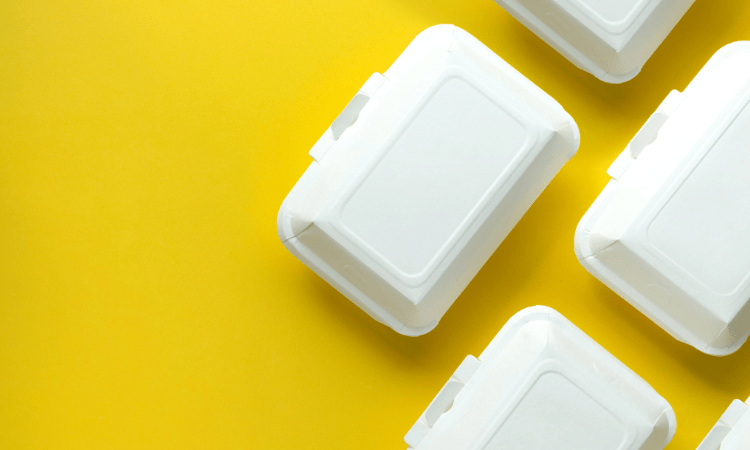
In the food industry, packaging is evaluated based on its ability to preserve the nutritional value and freshness of food. Furthermore, there should be no migration of harmful substances from the packaging into the food, and packaging certified as safe for food contact must be selected. Beyond these efforts to protect consumer health, there are also measures that must be taken to protect the environment. In this context, the scope of many ongoing studies can be summarized as controlling materials that do not decompose in nature. In recent years, every conscious consumer has been turning to eco-friendly options when choosing packaging or products.
Before delving into details, let’s address the questions: “What is packaging, and what is its role and importance in the food industry?”
Materials that primarily serve to protect the product they contain from external factors, can be produced from various materials such as glass, plastic, or paper depending on their intended use, and constitute an important part of the marketing process are referred to as packaging.
Packaging is indispensable in cosmetics, pharmaceuticals, textiles, accessories, and countless other consumer products. For food products outside of these categories, however, different parameters come into play when selecting packaging.
A food product’s ability to maintain its freshness, nutritional value, quality, and safety during the post-production storage, transportation, and delivery to the consumer is highly dependent on the choice of packaging. Some of the key characteristics sought in packaging include suitability for the type of food (whether liquid or solid), the absence of harmful substances from a food safety perspective and the prevention of migration into the food, physical leak-proofness (no holes or tears), and resistance to environmental conditions (transportation, shipping).
So, does the responsibility of food packaging manufacturers end once these conditions are met? What are packaging manufacturers doing regarding recycling and sustainability—the biggest challenges of today and even the future? What efforts are being made worldwide in this regard?
In these times when our environmental resources are rapidly depleting, it is necessary to reduce the environmental harm caused by packaging—which is constantly evolving functionally to meet consumer demands. Alternatives to petroleum-based plastic materials, which are frequently preferred in this regard, must be found. Despite being lightweight, flexible, durable, recyclable, and even reusable, the fact that they contribute to environmental pollution has led to efforts to reduce their use. In this context, biodegradable packaging emerges as an alternative.
Biodegradable plastics, which are environmentally friendly due to their high biodegradability and the fact that they are produced from renewable carbon sources and living organisms such as plants, animals, fungi, and bacteria, offer ecologically sustainable alternatives.
Like traditional plastics that have been known and used for years, they have a wide range of applications. To list their main advantages:
Classification of Biodegradable Polymers Based on Their Synthesis
|
Class |
Definition / Description |
Examples |
|
Natural Polymers |
Biopolymers derived directly from nature that do not require chemical modification |
Starch, Cellulose, Chitosan, Gelatin |
|
Natural Polymer Derivatives |
Chemically modified natural polymers |
Cellulose acetate, Carboxymethyl cellulose |
|
Microbial-Based Polymers |
Polymers synthesized by microorganisms through biotechnological methods |
PHB (polyhydroxybutyrate), PHA (polyhydroxyalkanoate) |
|
Chemically Synthesized Bio-based Polymers |
Polymers produced through chemical synthesis using monomers derived from renewable sources (vegetable oils, sugars, etc.) |
PLA (Polylactic Acid), PBS (Polybutylene succinate) |
|
Petrochemical-Based, Biodegradable Polymers |
Biodegradable polymers derived from fossil fuels |
PCL (Polycaprolactone), PBAT (Polybutylene adipate terephthalate) |
Bioplastics have an environmentally friendly cycle because they go from nature to production, to use, and back to nature. Taking starch-based production as an example:
For more information, contact us.
You can follow us on LinkedIn for the latest news and updates about our services.
Follow our Instagram account to stay updated on our latest blog posts.